Category Archives: Leadership

A Law Enforcement Recognition Idea

The mission at Thin Blue Line of Leadership is to share positive leadership tactics with the field of law enforcement. Positive leadership and creating a positive squad culture are on-going commitments that must be nurtured and developed over time. One way to do this is by recognizing and rewarding great police work on a routine basis. Here is an idea that came to me the other day.

I found myself watching a college football game last weekend and was noticing the band, the cheerleaders, the crazy student section, the mascot, and of course the players. A thought struck me at that time regarding the strength of culture at these collegiate institutions. Then I began to pay particular attention to the helmets of the Florida State Seminoles and noticed that there were little tomahawk stickers on the player’s helmets. This was not something new as I have seen them on many other college team helmets, but today I guess it just struck me at the right time.

helmet

A Wikipedia search of “helmet stickers” revealed that recognition or pride stickers have been rewarded to players since the mid-1950’s for making excellent plays, selfless plays, and even for hard work at practices. The idea stemmed from fighter pilots that marked their planes to signify the number of kills or successful missions they had flown. Then I started to make a connection to police work.

Most police departments have awards that are given out on an annual basis, but if you really want to positively reinforce behavior then it needs to be done on a much more consistent basis than that. So, I created some law enforcement recognition stickers using the Thin Blue Line of Leadership logo and had them printed at evermine.com.

sticker

For a very small cost ($15+shipping), I received over 100 custom recognition stickers (1″ diameter) to give out in briefings to reward the great things that officers do on a daily basis. I am not selling anything or being paid by evermine.com to tell you any of this; I am simply sharing an idea and evermine happened to be the website that popped up first.

Walking into briefing with a couple of recognition stickers immediately makes everyone wonder who is being recognized and for what. It provides the perfect opportunity to reinforce more of the “smaller” things that do not rise to the level of an official ribbon or annual award.

If you catch an officer changing a flat tire, give them a sticker. Have an officer that routinely volunteers to hold over a couple of hours to accommodate staffing needs, give them a sticker. If an officer does an amazing investigation or writes a great report, give them a sticker after they talk about it with the squad so everyone has a chance to learn from that officers great moment. Any action that supports what the squad is all about, the desired culture, should be recognized. This sticker is only given out when I, the sergeant, want to personally thank them or recognize them for some good work or a sacrifice they made for the squad. What gets recognized and rewarded gets repeated.

After the success of the above recognition sticker,  I created a second sticker for our squad. These stickers can only be received by officers that are being recognized by a person outside of the squad or directly from another officer on the squad.

r1lion

The second sticker is a squad logo created of a lion (think LE Memorial) and stars to represent the people on our squad. These stickers are used for two purposes. First, when someone from outside the squad wants to recognize a member of the squad for something. These commendations could come from citizens, other supervisors, upper staff, etc. Secondly, the most interesting use for these stickers was for officers to internally thank each other when someone sacrificed to help them out personally. For example, when an officer found a good arrest and had a ton of items to impound and their squad mates stayed late to help them get done quicker. The next shift, they would come ask me for however many stickers they needed and in briefing would thank the officers that helped them out. The coolest part of the stickers is that they ended up perpetuating officers going above and beyond for their fellow officers to a whole new level than I had ever seen in policing.

Officers decide where to collect their stickers, but my suggestion would be their ticket clipboards to display their accomplishments proudly. Some put them on their locker or other place they see on a daily basis. This serves as a consistent reminder of their many accomplishments and makes a statement about the positive squad culture that is being nurtured.

clipboard

Do you have a similar way of rewarding officers in your department?

Share your thoughts or comments with us below or on our Facebook page. Continue saving the world one call at a time and as always, LEAD ON!

5 Basic Leadership Lessons

The mission at Thin Blue Line of Leadership is to share positive leadership tactics with the field of law enforcement. Positive leadership and creating a positive squad culture are on-going commitments that must be nurtured and developed over time. The minute an officer decides to promote to a supervisor position within a law enforcement organization, they have chosen to take on the great responsibility of being a leader, coach, caretaker, psychologist, teacher, and many more.

Here are 5 basic leadership lessons for new law enforcement supervisors.

  1. Know the mission! As a leader in a law enforcement organization, it is your responsibility to know your department’s mission statement and goals. When guiding officers through calls, handling complaints, or evaluating a situation; the department’s mission is the guide. It should be more than just a few sentences in a general orders book of a framed picture on the wall; make it real by speaking of it regularly in briefing. Give examples of what it looks like on the road.
  2. Set clear expectations! This lesson is not referring to setting quotas or other quantitative measures. It is about clearly defining a path to success for your officers’ careers. It means defining how to treat people, use force appropriately, conduct thorough investigations, think critically under stress, and remembering that this is a career of service. The culture, your squad’s actions and attitudes, will be a reflection of the expectations you establish. (More on expectations.)
  3. Set goals! As a leader, you should obviously have your own goals, but this is specifically referring to assisting your officers in developing their own short and long term goals. Your own personal success will be derived from helping your officers reach their goals. Goals should be forward thinking and in agreement with department/district goals. In the short term, have your officers establishing goals they would like to accomplish in the next year that correspond to beat issues, crime trends, or other defined problems within their areas of responsibility. They should also consider trainings they would like to attend or other personnel development toward future assignments they would like to obtain. For the long term, discuss where they see their career in 5 years or 10 years; what specialty assignments they are interesting in, are they interesting in promoting, etc. Then you must assist them by providing training opportunities, helping them develop their strengths, and make connections with people that work in the officer’s area of interest. Use their goals as a springboard for having consistent, on-going evaluation conversations.
  4. Set the example! As a supervisor, it is vital that you are out with your officers on the road as much as possible. Not only does this show your willingness to be involved and “get your hands dirty,” but it also gives them the perfect opportunity to observe you in action setting the example of how they should be – representing your own expectations. Your officers will be watching closely to see how you treat people and make decisions; especially in the tough situation where they may not be sure how to act or react. When you come across a situation where your officers are unsure of a solution to their call, it provides you the perfect opportunity to teach them your decision-making process. Ask a standard set of questions to walk them through problems: What do you know? What do you think? Have you considered this? Then let them make the ultimate decision . . . example set!
  5. Recognize, reward, promote! As a supervisor, it is easy to see all of the things going wrong because typically you have just finished studying every nook and cranny of department policy to pass your supervisor test. The challenge is in stepping back and recognizing the good. Purposely train yourself to identify not only things that need fixing or reeducating, but those things that are being done above and beyond what you would expect normally from an officer. Once you begin recognizing the good, it is imperative that you find ways to reward those behaviors. (An idea on rewarding officers.) It does not have to be anything fancy or of monetary value, but simply telling an officer that they did a good job and specifically defining what they did good can go a long way. After recognizing and rewarding, it is just as important that you promote them. In terms of promote, that means to mention them to upper staff, bring it up in briefing, etc. Bringing these positive behaviors to light, will not only help the officer’s career, but will give other officers something to strive for.

Columnist Ann Landers once wrote, “Opportunities are usually disguised as hard work, so most people don’t recognize them.” These 5 leadership lessons are nothing fancy or complicated. Years of research and development have not been done to come up with them. But, to successfully implement these leadership lessons in your daily routine as a supervisor it will take effort, time, dedication, and desire. As a supervisor, it is your job to recognize the opportunity.

Share your thoughts or comments with us below or on our Facebook page. Continue saving the world one call at a time and as always, LEAD ON!

Advanced Officer Training Day

“If you want something you’ve never had, then you’ve got to do something you’ve never done.”    ~ Thomas Jefferson

Recently, I participated in a testing process to become the supervisor of our police department’s Advanced Training Unit. This unit’s mission is to provide training on every major topic within law enforcement to 400 sworn annually – firearms, tactics, driving, reality-based training scenarios, legal updates, defensive tactics, etc.

As I was preparing for the testing process, I spoke to the 3 officers and 2 civilians that are assigned to the unit to assess what the biggest challenges are. In speaking with each of them individually, the one common theme was the perspective that department training had become something officers “have to do” and not something they “get to do.” I recognized this to be a culture issue throughout the department because, I too, had experience some of these same feelings as an officer and a patrol supervisor. Trainings felt like they were just the same old thing, but a different year.

When I was given the job of Advanced Training Unit Sergeant, I knew that the first significant move needed to be finding a way to help alter the department’s culture regarding training. It does not do any good to have awesome training activities/classes if only 30% of the department shows up and officers are looking to just do the minimum in order to stay certified.

I first met with the unit’s primary instructors as a team. We discussed what we believed may be the various causes of this culture that is so stagnant to learning. Then in response to those, we looked at what we could control in order to start addressing some of those issues. First, we discussed altering the times training was available. Instead of doing things on “banker’s hours,” we needed to be flexible and offer learning opportunities at various hours, including nights and weekends. It also meant leaving the training building and taking learning out to the 4 districts throughout the city. Then we talked about how we could apply our 4 Squad Culture Tenants of Positivity, Activity, Teamability, and Humility as instructors. This was going to be our new P.A.T.H. If we wanted the officers to demonstrate this kind of culture as learners, it was necessary for us to recognize that it starts with us demonstrating Positivity, Activity, Teamability, and Humility first. Lastly, we came up with the idea of creating the Advanced Officer Training Day because it was not going to be enough to talk about it; we needed to show everyone what was happening in the training unit.

The Advanced Officer Training Day was designed to be an internal conference-style training event to make learning policing fun again and share our new training philosophy. In order to avoid issues with staffing and overtime, 2 months prior to the training, each sergeant of a squad/unit was asked to nominate one person to attend the training. We asked for them to send who they considered to be the most hard working, informal leader of their squad/unit. This created a recognition opportunity for the sergeants and guaranteed that our audience would be comprised of the biggest line-level influencers in the department. The total number of officers was capped at 40 so we could make each class a small, intimate learning environment where they were encouraged to work as a team.

The next question became what did we want to teach? We reached out to our various connections throughout the department and came up with these 6 learning opportunities:

  1. Officer Down and Contact/Crisis Team Decision Making – This was an interactive class that took place in and around the department’s shoot house. The officers would be put into multiple scenarios with ever changing details that would force them to make quick decisions and implement plans regarding saving a downed officer or making entry into a structure. Once inside of the structure, they were then pushed to making more decisions regarding pushing, holding, or tactically retreating based up the circumstances.
  1. Effective Courtroom Testimony – This class was developed by an officer with a vast amount of courtroom testimony experience and two attorneys from the city prosecutor’s office. There was a quick presentation regarding testifying in court and then the students were each given a mock departmental report. They were to review the report as if it were their own and then would be put on the stand in the mock courtroom that had been set up in the back of the classroom. One of the attorneys played the part of a prosecutor and the other played the role of a defense attorney. Debriefs, questions, and comments were made after each officer had their turn on the stand.
  1. Drug Impairment Beyond DUI – This class was prepared by the department’s most experienced Drug Recognition Expert (DRE). Officers reviewed the signs/symptoms of the 7 major drug categories that cause impairment and then discussed what other uses there are for this type of information beyond DUI enforcement. They discussed use of force reporting, interviewing techniques, identifying search/seizure opportunities, articulating the development of PC for searches, and multiple officer safety considerations. This classes was specifically designed to take very specific information usually taught in reference to DUI enforcement and generalize its application to all of policing.
  1. Advanced Pistol Range – The Firearms Staff was given the opportunity to present some fun, challenging firearms drills to push the students to the limits of their shooting abilities. These drills while fun and challenging still forced the shooters to focus on the basic fundamentals of marksmanship while also utilizing movement, cover, distance, etc to successfully complete the drills.
  1. Traffic Stop Quick Reaction Drills – On the driving track, officers were placed into a fully marked patrol car, asked to drive ¼ lap around the track, and then pull up behind the mock offender vehicle. They then were expected to react to whatever occurred from there. Scenarios ranged from a regular traffic stop where nothing of consequence occurred all the way up to one where the suspect jumps out of the car and rushes the patrol car. This was done in a fast paced, small group format and each scenarios was debriefed with the group using a Socratic questioning method to bring out the information the instructor was looking to emphasize. If mistakes occurred or there was a better suggestion for handling the situation, officers were given the chance to redo it and learn from the first attempt.
  1. P-R-I-D-E Adaptive Decision-Making – This class introduced officers to the P-R-I-D-E Adaptive Decision-Making Model and the utilization of “Policing Priorities” to guide their decision-making. This model discusses situational awareness and making both fast and slow decisions. Being introduced to this model provided the officers with a common language to discuss the various decisions they were making in the other classes throughout the day. This model was developed by Thin Blue Line of Leadership and you can read more about it here.

This is what the schedule of the day looked like . . .

0800 – 0830         Welcome/Sign Up for Breakout Sessions

0840 – 1030         Breakout Session #1

1040 – 1230         Breakout Session #2

1230 – 1330         Lunch

1330 – 1520         Breakout Session #3

1530 – 1720         Breakout Session #4

1730 – 1800         Conclusion/Feedback Critiques

As you may be noticing, there are only 4 Breakout Session times, but 6 classes offered. This was a key factor in getting buy-in from the officers by giving them the opportunity to develop their own day of training. They got to pick the 4 classes they were most interested in attending.

Three of the classes were more firearms/tactical outdoor oriented and the other three classes were more traditional classroom-based learning opportunities. So, if an officer leaned heavily one way or the other, they were forced to try at least one other style of activity and push them outside of their “comfort zone.” Sign-up sheets were utilized to organize distribution of the officers among the classes and were capped at 7 officers per class.

In order to help spread the lessons learned, the officers that attended were given network access to all of the lesson plans, PowerPoints, and reference materials so they could create small blocks of briefing trainings for their squads/units to help spread the information further. The training made use of these influencers to not only spread the word about the changes going on within the training unit, but also the actual lessons taught in the classes. If officers do not feel comfortable teaching the information, then they had at least developed a connection to an instructor that could.

The Advanced Officer Training Day was run for the first time on Wednesday, April 19. It was an extremely successful event and was very well received by the officers in attendance. Anytime an officer leaves a comment that says lunch was too long and we could have saved time there to make the classes longer, then you know you have done something right. As expected, getting to pick the classes they wanted to attend was recognized as an integral piece to the success of the day. Other comments also recognized the instructors for representing the P.A.T.H. Instructor Philosophy which assisted in making the entire environment a more positive one geared towards learning. The department plans to run the Advanced Officer Training Day twice a year, so this will become an expected event and something others will be clamoring to attend all because they “get to,” not because they “have to.”

Well, this is not the typical leadership blog that comes from Thin Blue Line of Leadership, but packed within this blog are multiple leadership lessons and it also shares a tangible idea for other departments to consider as a unique training option. If you have questions about the Advanced Officer Training Day, feel free to comment at the bottom of this post or DM us on Twitter.

The mission at Thin Blue Line of Leadership is to inspire law enforcement supervisors to be the best leaders they can be by providing positive leadership tactics and ideas. Positive leadership and creating a positive squad culture are on-going commitments that must be nurtured and developed over time. Thin Blue Line of Leadership is here to help.

Please do not hesitate to contact us if you have ideas to share or suggestions for improvement. Your thoughts or comments on this blog are always appreciated either below or on our Facebook page. You can also follow us on Twitter at @tbl_leadership.

Continue saving the world one call at a time and as always, LEAD ON!

TBLL: Table of Contents

The mission at Thin Blue Line of Leadership is to inspire law enforcement supervisors to be the best leaders they can be by providing positive leadership and culture development tactics. Positive leadership and creating a positive squad culture are on-going commitments that must be nurtured and developed over time. Thin Blue Line of Leadership is here to help. Click on any of the titles to be taken directly to that particular blog.

Please do not hesitate to contact us if you have ideas to share or suggestions for improvement. You can follow us on Twitter at @tbl_leadership or check us out on Facebook.

Continue saving the world one call at a time and, as always, LEAD ON!

06/25/14              Welcome to Thin Blue Line of Leadership

06/25/14              Thin Blue Line of Leadership Logo Explanation

06/29/14              Law Enforcement Lingo 101

07/10/14              Defining the Thin Blue Line Leader

07/17/14              Power, Passion, People, and Production

07/24/14              14 Ways to Create a Positive Squad Culture

08/07/14              3 Keys to Squad Expectation Success

08/14/14              Saving the World One Call at a Time

08/27/14             6 Ways to Positively Influence Officer Behavior

09/04/14             The 3 Accountability Relationships in Law Enforcement

09/30/14             Welcome to the Squad: New Officer Checklist

10/23/14              5 Basic Leadership Lessons

11/23/14               Law Enforcement Recognition Idea

12/17/14               Intentional Culture

01/07/15              Confusion of Sacrifice

01/21/15               Don’t Get Captured

02/09/15             Change and Reputation

02/19/15              Insubordination?

03/25/15              The 10 Law Enforcement Leadership Commandments

04/07/15              A Law Enforcement Leadership Reward

04/14/15              Good to Great: A Law Enforcement Leader’s Viewpoint

05/18/15              BRIEFING IDEA: What makes a great beat cop?

06/02/15             Shifting Gears in Policing

06/23/15              4 Keys to Building Influence

07/15/15              5 Killers of Positive Culture

07/23/15              10 Keys to a Successful Oral Board

08/03/15              Creating “Wow” Moments in Policing

08/10/15              5 Steps to Develop Squad Culture

09/23/15              7 Core Values for Building a Team – Part 1

09/29/15              7 Core Values for Building a Team – Part 2

01/19/16               Transactional vs. Relational Policing

02/16/16               3 Components to Law Enforcement Leadership

02/29/16              HELP WANTED: Police Officers

03/16/16               Culture in Just 4 Words

03/29/16               A Simple Gesture

04/27/16               Trickle-Down Leadership

05/11/16                 10 Steps to Teaching Leadership in Law Enforcement – Part 1

05/25/16                10 Steps to Teaching Leadership in Law Enforcement – Part 2

06/08/16                3 Signs of a Miserable Law Enforcement Job

07/12/16                 TBLL Leadership Reading List

10/26/16                 10 Tips for New Sergeants

11/01/16                  PRIDE Adaptive Decision-Making Model

11/16/16                  The 3 PRIDE Loops

11/30/16                  Leading with P-R-I-D-E

12/07/16                  Predictive Policing

01/09/17                 Briefing with Purpose

04/23/17                 Advanced Officer Training Day

03/26/18                 1 of 7 Core Values for Building a Team – Start with Why

04/03/18                 2 of 7 Core Values for Building a Team – Strive to be a Great Leader

04/11/18                 3 of 7 Core Values for Building a Team – Intentionally Create Culture

04/16/18                 4 of 7 Core Values for Building a Team – Building Unity and Loyalty

04/24/18                 5 of 7 Core Values for Building a Team – Personal Accountability

05/02/18                 6 of 7 Core Values for Building a Team – Show Recognition

05/09/18                 7 of 7 Core Values for Building a Team – Make People Feel Safe

07/30/18                 Leadership Accountability: Internal and External Accountability

08/08/18                 Leadership Accountability – It’s All About Me!

08/20/18                 Leadership Accountability – Control vs. Influence

09/24/18                 A Unique Sergeants Process

06/24/19                 Loeb’s Rules of Medicine Applied to Law Enforcement

07/07/19                 Staying on P-A-T-H

09/21/19                 Small Words, BIG MESSAGE

09/30/19                 Leading with P-R-I-D-E

11/25/19                 What Will Your Verse Be?

12/16/19                 Praising Properly: Intelligence vs. Effort

01/13/20                 3 Simple Field Training Ideas

02/10/20                 Performance vs. Trust in Field Training

06/08/20                 Protests and Smile Buttons

08/10/20                 TBLL TRAINING: Utilizing Policing Priorities

08/31/20                 Field Training and Emotional Intelligence

09/07/20                 TBLL TRAINING: Debriefing Decision-Making

02/15/21                 Nextgen Field Training

03/02/21                 Sergeant School Discussion Panel Key Points

03/08/21                 Nextgen Field Training – The Phases

07/12/21                 BRIEFING VIDEO: A Review of Making It Safer

07/26/21                 BRIEFING VIDEO: A Review of the Pulse Nightclub Shooting

10/18/21                 The Mission, Vision, and Core Values Project

Briefing with Purpose

“There are no secrets to success. It is the result of preparation, hard work, and learning from failure.” ~ Colin Powell
Success is absolutely about preparation, hard work, and learning from failure. As a leader of people, you have taken on the challenge of doing everything within your power to make your people successful. One of the best places to start doing that with your officers is in the briefing room. In law enforcement, the time that you get to spend with your entire squad together is extremely limited; therefore, it is up to you to make the most of it.

In my department, each patrol shift starts with a 30 minute briefing conducted by the squad sergeant. This is the only time that the squad has the opportunity to be together in same place at the same time without the next call for service pulling us away. (Most of the time.) There are many purposeful activities that can fill this time, but unfortunately they often just turn into “bull sessions” with no real purpose and become a waste of everyone’s time. Don’t get me wrong, there is a time and a place to have unplanned, open discussions in briefing so long as there is a purpose to it and it is not just a default due to a lack of planning on the part of the supervisor.

Prior to being a police officer, I was a math teacher for just shy of 7 years. I was educated on the importance of lesson planning, building themes, identifying “teachable” moments, and organizing curriculum. When you walk into a classroom of 30+ teenagers every day, you quickly come to understand how important organization is to facilitating effective learning. When I promoted to sergeant, these same lessons came flooding back to me and I found ways to modify the concepts to work within the given 30 minute briefing times I had.

As a patrol sergeant, I work four 10 hour shifts a week. I try to stay at least one week ahead with whatever I am planning for briefing training so I have some idea of where I am going and have time to gather resources or create them. With that being said, it is vital to not be overly invested in the briefing plan because things occasionally come up that may take precedent; such as a major call for service that needs to be discussed that offers some “teachable” moments. Below is an example of the form I used to plan my briefings . . .

lesson

Here was the thinking behind how my weekly planning was organized. DAY 1 was typically reserved for administrative topics. All of the emails, criminal info bulletins, policy updates, and more that needed to be to be shared with the whole squad were saved over the weekend for this day. The last thing I ever wanted was for administrative stuff to take over all of my briefings. I also found that the first day back to work for the week was usually not the best day for conducting briefing training. Once the admin stuff was out of the way, then I would end the briefing by recognizing some of the good work from the week before to start us off positively. This recognition was with the express intent of wanting to see those specific actions, attitudes, or efforts repeated by the squad.

DAY 2 and DAY 3 were reserved for Briefing Training. These could include any number of topics and may involve bringing in a guest speaker from another part of the department, using a short PowerPoint, leading a discussion on our successes/failures from a call, conducting a demonstration, putting together a scenario, watching a police-related video then discussing how it relates to our policies/practices/state laws, etc. There are so many great topics and activities related to our profession that can fit into a 30 minute time period to instigate learning and/or create culture. Ultimately, when planning briefing training, we are not trying to certify officers in anything, just share information so we are all on the same page.

DAY 4 was usually more relaxed. I would lead a discussion called “What did you learn?” in which each member of the squad would talk about one thing they learned or did differently this week on a call and if it was or was not successful. Finally, I would always end the last briefing of the week by recognizing some more of the fine work that had been done by my officers that supported our positive squad culture. There would also be an opportunity for them to recognize each other for things I may not have seen.

At the bottom of the weekly plan was a list of all of my officers. This gave me the ability to know who was or was not in briefing on a given day so either myself or an informal leader on the squad could follow up with them later regarding what we covered. As mentioned above, the power of having briefings with purpose comes from everyone being on the same page. Without this follow-up, you fall short on one of the best parts of having organized briefing plans.

With purpose, there is power. Time with the entire squad together allows a leader to communicate specific messages that puts everyone on the same page. This creates opportunities to share the mission, build squad culture, recognize good work, educate on policy/legal updates, discuss success/failures, and much more. Having these types of purposeful briefings are especially beneficial for newer officers, but also serve the purpose of being a reminder to the more senior officers about what is important.

I challenge you to find the time and make the effort to plan briefings with purpose and see the many positive benefits that come from it.

The mission at Thin Blue Line of Leadership is to inspire law enforcement supervisors to be the best leaders they can be by providing positive leadership tactics and ideas. Positive leadership and creating a positive squad culture are on-going commitments that must be nurtured and developed over time. Thin Blue Line of Leadership is here to help.

Please do not hesitate to contact us if you have ideas to share or suggestions for improvement. Your thoughts or comments on this blog are always appreciated either below or on our Facebook page. You can also follow us on Twitter at @tbl_leadership.

Continue saving the world one call at a time and as always, LEAD ON!

Predictive Policing

“Whether you think you can, or you think you can’t – you’re right.”   ~ Henry Ford


Within the P-R-I-D-E Adaptive Decision-Making Model, the first step to making sound decisions, especially in moments of VUCA (volatility, uncertainty, chaos, and anxiety), is to Predict. Continuously predicting potential outcomes, solutions, reactions, perceptions, importance, and viability of decisions is how a person starts down one decision-making path or another. Because of this, predicting is a vital cog in the machine that is the human brain and it’s processing of stimulus when trying to make decisions. Unfortunately, the overall importance of predictive policing, in these terms, is rarely recognized properly in law enforcement discussions, debriefs, or trainings.

Below are 5 points to consider regarding the power and significance of predicting in law enforcement decision-making along with specific law enforcement examples . . .

  1. As mentioned earlier, predicting starts the decision-maker down a path based upon the goal the decision-maker wishes to accomplish. How an officer believes their initial decision will work out in relation to the goal guides them through their next several decisions until something in the situation changes. Take the act of deciding what to eat for breakfast. That one decision begins an entire path of decisions and corresponding actions that all started with a simple prediction about what would taste good for breakfast.

LE EXAMPLE: When an officer gets in their patrol car and drives away from the station, there are predictions made by the officer to decide where to patrol when not assigned to a specific call. Does the officer choose the busiest area where they are most likely to locate criminal activity or do they choose the slowest area where they are least likely to locate criminal activity? The officer is predicting criminal activity and that prediction starts them down a path for the entire shift. Make enough of these types of predictions one way or the other and suddenly the officer has started down a path for their entire career. They have created a reputation. Are they a go-getter or a member of the R.O.D. (Retired on Duty) Squad? Law enforcement leaders must assist officers in seeing beyond just what is in front of them and learn to think 2, 3, or even 4 steps down the road of their careers.

  1. Accurate predicting of possible outcomes shortens reaction time. When entering into any situation, predicting narrows the list of possibilities that may be faced which decreases an officer’s reaction time to whatever comes next. When a quarterback walks up behind his offensive line and surveys the defense, he is narrowing down the type of defense he is about to face once the ball is hiked. He will put receivers into motion, locate the middle linebacker, and look for any sign that may give away a possible blitz. If the quarterback’s prediction is correct, then his reaction time will be reduced which increases the likelihood of completing the play successfully. Hence the reason the best quarterbacks in the NFL practically live in the film room when they are not on the field. More experience equals better predictions.

LE EXAMPLE: Predicting  possible outcomes that could occur when conducting a traffic stop reduces an officer’s reaction time to how the situation actually plays out once the emergency lights are activated. Based upon how humans respond to high levels of stress, there are three options that can manifest themselves to varying degrees – freeze, fight, or flight. Based on this, an officer should predict that the driver could pull over normally to submit to the stop, pull over to commence an attack, or flee in the vehicle. Once all of those options are considered, then the officer’s reaction time to respond to the driver’s actions will be quicker. Accurate predicting greatly increases officer safety in any situation because law enforcement is always reacting to the actions of others. If action is always faster than reaction, then law enforcement officers must do everything possible to reduce their reaction times. It starts with predicting. Law enforcement leaders can support this type of predictive thinking by playing the “what if” game with their officers and table-topping scenarios with varying circumstances to cover a broad spectrum of predictions.

  1. Predicting and weighing both sides of an issue is another form of predicting that occurs before nearly every decision. The greater the decision, the more time that should be spent predicting possible pro’s and con’s for comparison. The key is to recognize that pro’s and con’s are just predictions and not reality; at least not yet. They must be weighted based upon their reasonableness of occurring which leads to more predicting.

LE EXAMPLE: Predicting and weighing both sides of an issue can be exemplified in making the decision to go for a promotion or not. This is a huge decision that undoubtedly requires great consideration of all the possible good and bad that could come with it. A thorough comparison of possible outcomes, leads to making a better overall decision. Law enforcement leaders can help their officers with making predictions about major decisions like this by being accessible to their officers as a person, not just a boss. Be the kind of leader that is available as a mentor and willing to share thoughts on the topic at hand. When going into the unknown, everyone values the experience of someone who has been there and done that because it assists with making their predictions more accurate.

  1. Predicting what other people will think about a decision also greatly influences our decisions. Humans have a tribe mentality because, back in the day, tribes were a way to keep us safe from danger. Therefore, humans are greatly concerned with what others may think of their decisions. The underlying fear is that if other members of the group do not agree with my decision, then I may be shunned by the group which inherently makes me isolated and unsafe. As kids, everyone remembers being told that their decisions should not be based upon what others think, but let’s be realistic. Every decision ever made, at least to some degree, includes predicting what someone else will think about it – boss, fellow officers, friends, mother, wife, etc. As kids it was called peer pressure and it still exists as adults.

LE EXAMPLE: This type of predicting can best be exemplified through a squad culture example. If a new officer gets assigned to a squad where the entire squad always talks in briefing about misdemeanor crimes being a waste of time and that felony crimes are the only “real” crime, then that officer is going to be influenced into minimizing or ignoring misdemeanor crimes and only look for felonies. While felonies encompass the most serious crimes, there are important aspects to the job of a patrol officer that require investigating and arresting for misdemeanor crimes. But because this new officer does not want to be risk being shunned by those in his “tribe,” he may neglect misdemeanors even if he personally does not believe the same thing. This is the power of predicting and why law enforcement leaders must be extremely careful with the culture they create and/or condone within their squads. Everyone reading this should be able to recall any number of bad law enforcement cultures that have made it into the news at one time or another. Predicting social isolation by the “tribe” is what allowed those bad cultures to continue to exist as long as they did instead of someone stepping up to stop them.

  1. Predicting sets a tone. If after receiving the initial information regarding a situation an officer’s first thought is “this is going to suck,” then a negative tone has been set. The reverse is also true. If after receiving the initial information regarding a situation an officer’s first thought is “this is going to be awesome” or “I can handle this” then a positive tone has been set. This is such a powerful example of predicting because tone casts a shadow over everything that follows it. This is the definition of a self-fulfilling prophecy and it is all based on predictions.

LE EXAMPLE: When an officer goes to training there will be immediate predictions made. Either this training is going to suck or this training is going to be awesome. How do you think it ends up? The vast majority of the time it will end exactly as it was initially predicted no matter how good or bad the training really was. If the officer’s mind was changed from one way to the other, how much work did that take to overcome the prediction? A lot. This is the power of the Predict Phase and how it can set a tone. This is the primary reason law enforcement leaders must be aware of the tone they set in briefing because soon afterwards their officers will be hitting the road making situational predictions that originate from either the positive or negative tone set by the leader. Leaders must also help officers recognize that having control of their actions, attitude, and effort empowers them and alleviates negative victim thinking which gets replaced by a powerful sense of positive self-control. This line of thinking sets a positive tone for even the most challenging of circumstances.

To support and develop sound decision-making, law enforcement leaders must get into the habit of having conversations with their officers regarding decision-making that goes all the way back at the Predict Phase. This can be done by asking questions such as . . .

“What did you think this incident was on your way there?”

“How did you think they would respond to that action?”

“What was your intent before you did that?”

“How did you prioritize your response?”

By asking these types of questions, law enforcement leaders can ascertain who is predicting and who is not. What they will discover is that officers that get the most complaints, violate policies/procedures routinely, and negatively impact the team usually do little, if any, predicting. On the other hand, officers that are great beat cops, effective communicators, tactically sound, and positively impact the team in multiple ways do an excellent job of predicting.

If a law enforcement leader want good decision-makers, then they must teach, share, and discuss predictive policing. Every decision starts with Predict.

The mission at Thin Blue Line of Leadership is to inspire law enforcement supervisors to be the best leaders they can be by providing positive leadership tactics and ideas. Positive leadership and creating a positive squad culture are on-going commitments that must be nurtured and developed over time. Thin Blue Line of Leadership is here to help.

Please do not hesitate to contact us if you have ideas to share or suggestions for improvement. Your thoughts or comments on this blog are always appreciated either below or on our Facebook page. You can also follow us on Twitter at @tbl_leadership.

Continue saving the world one call at a time and as always, LEAD ON!

Leading with P-R-I-D-E

“Leadership is influence; nothing more, nothing less.”  ~ John Maxwell

The most fundamental building block of policing is decision-making.

  • Make contact or leave the person alone?
  • Ask or command?
  • Search or don’t search?
  • Arrest or don’t arrest?
  • Shoot or don’t shoot?

These are just a few examples of major decisions made by officers every day regarding issues of communication, search/seizure, arrest authority, and use of force. These decisions, along with an insane amount of lesser ones, get them through each shift – most of the time good, sometimes not so good dependent upon their decision-making. Law enforcement leaders must understand how they can influence officer decision-making because safety, public trust, and lives are on the line. To put it bluntly, they must learn to lead with P-R-I-D-E.

Policing is a very complicated profession and inevitably mistakes are going to happen. Therefore, law enforcement leaders must proactively discuss decision-making with their officers in terms of the process, not just in terms of right or wrong after the fact. While officers makes their own individual decisions, it is the leader that creates the environment they work in. That environment can either nurture or devastate good decision-making.

pride

Part of the P-R-I-D-E Adaptive Decision-Making Model is a large blue circle with the following words written around it: Culture, Mission, Goals, and Why. This is the Leadership Circle. All decisions are influenced by this circle because culture, mission, goals, and why create the lens through which officers view their policing world.

If there is a squad of lazy, negative officers that are constantly getting into trouble, it is absolutely related to the environment of culture, mission, goals, and why allowed to exist by their “leader.” If there is a squad of hard working, positive officers that are constantly being recognized for their excellent work, it is related to the environment of culture, mission, goals, and why created by their leader.

CULTURE: Culture is simply defined as the prevailing actions and attitudes of a group over time. The leader of a group must play a significant role in setting the culture. The key to setting a culture is that the leader knows what they want their culture to be. Once the desired culture is defined, then the leader must identify ways to reward actions and attitudes that promote that culture. If a leader fails to define and implement their desired culture, then another one will form and the leader is no longer leading. For more on culture development, see our blog “Culture in Just 4 Words.”

MISSION: Mission starts with the department’s mission statement which is usually posted on a wall somewhere. Leaders must find ways to take the words off of the page and make them part of the culture as defined above. On a smaller scale, each call for service officers respond to has its own more specific mission. Identifying the purpose of a mission is a must for operational success. Many times, the mission can be defined by the role(s) that must be played by the officer in order to achieve a successful outcome. Does this call need a guardian, a warrior, a caretaker, a social worker, or an enforcer? Understanding large scale and small scale missions is important to good decision-making because mission sets the vision. For more on mission, see our blog “Shifting Gears in Policing.”

GOALS: Goals can exist on multiple levels; for example, department goals and personal goals. Many departments set goals for their officers with the intention of creating a method for tracking their officers’ activity or productivity. Where many departments fail with goal setting is that they set arbitrary goals that are not tied to their mission. In other words, there is no understanding as to why the goals exists or the purpose they serve. Department goals must be tightly correlated to the department mission to give them meaning to the officers and to provide meaningful information to upper staff. Personal goals should be set by the officers and related to their desired career path. Their career path sets a long-term vision which enables the officer, hopefully with the assistance of their leader, to determine specific goals that can be worked on each shift. Meeting incremental personal goals are the building blocks to an officer getting where they eventually want to go within the department. Leaders should put this into perspective for their officers so they understand that each shift is essentially part of the interview for their job of the future.

WHY: No one goes into law enforcement because they are going to get rich or be famous. Deep down there is something special in each person that decides to pin on a badge that drives them to run towards conflict, put their lives on the line, and serve a community. Whatever the reason, that is their personal why. The why fuels the fire to continue working when times get hard and empowers officers to go above and beyond when those opportunities exist. Law enforcement leaders must help officers identify their why, be able to articulate it, and help them hold tight to it for the entirety of their career.  For more on why, see our blog “HELP WANTED: Police Officers.”

When a person chooses to promote within a law enforcement organization, they essentially have raised their hand and said, “I’m willing to lead.” It is not permission to do less, but a mandate to do more. Leading takes effort. Leading takes skill. Leading takes caring. Leading takes passion. To build influence in officer decision-making, those that promote must stand up and lead. They must create environments that focus on culture, mission, goals, and why. The leaders that take the time and make the effort to create these positive environments will be rewarded by the outcomes seen in their officers’ decision-making and they will spend less time running around putting out fires created by a bad environment.

The mission at Thin Blue Line of Leadership is to inspire law enforcement supervisors to be the best leaders they can be by providing positive leadership tactics and ideas. Positive leadership and creating a positive squad culture are on-going commitments that must be nurtured and developed over time. Thin Blue Line of Leadership is here to help.

Please do not hesitate to contact us if you have ideas to share or suggestions for improvement. Your thoughts or comments on this blog are always appreciated either below or on our Facebook page. You can also follow us on Twitter at @tbl_leadership.

Continue saving the world one call at a time and as always, LEAD ON!

10 Tips for New Sergeants

For the last 2 years, I have been a Field Training Sergeant. It is a pleasure knowing that I am having an impact on the future of my police department by training these new leaders. I see this responsibility as a vital one because if I do not do a good job, I am not just affecting that new sergeant, but every officer that serves on his or her squad.

Just so we are on the same page, here is how my department handles sergeant training. Sergeant field training is a 5 week process – 2 weeks with one training sergeant, 2 weeks with a different training sergeant, and then one final week back with the first training sergeant. At the end of each shift, the Field Training Sergeant completes a daily activity report that summarizes and scores everything the prospective new sergeant did throughout that shift. While writing these daily activity reports, I have noticed that there are certain bits of advice that I seem to be repeatedly writing for every sergeant I help train.

So, here are my 10 tips for new sergeants . . .

  1. Successful sergeants spend 80% of their time working with people and 20% doing everything else. Sergeants that fail to inspire, have a poor squad culture, and breed negative officers focus more on everything else rather than people and building relationships.
  2. Successful sergeants find ways to teach their officers to be adaptive decision-makers; not robots that only understand “if – then” statements. When opportunities present themselves, sergeants explain their process for making difficult decisions and everything they took into account. Then, when their officers face similar situations they will apply their own similar process.
  3. Successful sergeants never waste briefing time. There is always something that could be discussed, debated, trained, or learned in briefing. This is one of the few opportunities when sergeants have their entire squad’s attention at one time; make the most of it.
  4. Successful sergeants understand that policing is a complicated profession. Both sergeants and their officers are going to make mistakes at some point. Do not hide mistakes, share them openly and turn them into learning opportunities focused on improvement. Mistakes are fine, just don’t make the same one twice.
  5. Successful sergeants recognize, reward, and promote good police work by their officers. They use whatever methods are available at their department to make this happen anytime an officer goes above and beyond. Not only does this create a more positive culture, but it also spurs on more officers to look for opportunities to go above and beyond. What a sergeant rewards will be repeated.
  6. Successful sergeants have a vision of the culture they want to have on their squad. Squad culture is defined as the conglomeration of your officers’ actions, attitude, and effort. If you asked another sergeant to describe your squad in 4 words, what words would they use? That is your culture. If you don’t like those words, do something about it.
  7. Successful sergeants do not lead from their desks. They get out on the road with their officers and find ways to serve them throughout each shift. They never believe themselves to be too good for the “grunt” work of being an officers; they get in there and get their hands dirty occasionally.
  8. Successful sergeants recognize that their actions, attitude, and effort tell their officers what is important to them. If a sergeant speaks negatively about their schedule, some situation at the department, or some aspect of the job, then don’t be surprised when the officers have that same opinion or are representing that opinion openly. Negativity breeds negativity.
  9. Successful sergeants know what they do not know, then they find ways to compensate for those areas. If they are not good at tactical situations, they talk to the department’s SWAT officers about various scenarios and how they would handle them. If they are not good at traffic or investigations, they build relationships with motors or detectives that are respected. The most important aspect of this tip is that a sergeant never fakes knowledge and gives bad advice to an officer. This will kill their credibility. If an officer has a question that the sergeant does not know the answer to, the best thing they can do is say, “That is a great question, I don’t know, but I know someone who will. Standby and I’ll call you right back.”
  10. Successful sergeants never allow themselves or their officers to stop learning. The minute a sergeant thinks they know it all is the moment they begin sliding towards mediocrity. A sergeant values training and realizes that the more training they can get for their officers, the better their officers will be on the road.

Got a tip you would give to a new sergeant?

The mission at Thin Blue Line of Leadership is to inspire law enforcement supervisors to be the best leaders they can be by providing positive leadership tactics and ideas. Positive leadership and creating a positive squad culture are on-going commitments that must be nurtured and developed over time. Thin Blue Line of Leadership is here to help.

Please do not hesitate to contact us if you have ideas to share or suggestions for improvement. Your thoughts or comments on this blog are always appreciated either below or on our Facebook page. You can also follow us on Twitter at @tbl_leadership.

Continue saving the world one call at a time and as always, LEAD ON!

TBLL – Leadership Reading List

Culture can be nurtured within a law enforcement organization in a number of different ways. I have been fortunate to have multiple opportunities to positively affect my department’s culture by being involved in the Field Training Officer (FTO) Program, as a trainer of Field Training Officers, as a Sergeant, as a Sergeant Field Trainer, and by assisting in the develop of our department’s leadership-based sergeant selection process. All of these opportunities have enabled me to develop a level influence within the culture of the department that I take very seriously. So, when I was asked by a sergeant test candidate what has influenced my personal leadership style and what resources I have used to develop the material that comes out on Thin Blue Line of Leadership, I decided to provide my recommended leadership reading list.

These books have been vital in the development of Thin Blue Line of Leadership content, my own leadership style, my community interactions, how I operate within my department, and also how I operate with my squad of officers. I can vouch for the value in all of them as there are multiple concepts that I have implemented from each of the books listed below. If you are not a big reader or just do not have the time, all of these books can be purchased and listened to by using the Audible app on both Apple and Android devices. About half of these books I listened to while driving in to work and the rest were read the old fashioned way.

These books were all written from the perspective of the business world; not policing. Therefore, as I read each of them, I continually asked myself “How does this apply to policing?” and “How do I incorporate these ideas into my squad/department?” Then I molded the ideas I liked into my leadership style, community interactions, department interactions, and/or squad expectations. For two of these books I have written a law enforcement synopsis and those are linked in the book titles. I have also linked each book’s picture to Amazon in case you are inspired to buy any of the books mentioned.

In case you are wondering, I do not work for Amazon or any of these publishing companies. I simply want to share some good leadership knowledge with you. Enjoy . . .

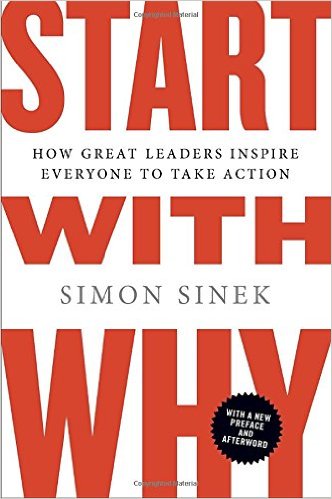
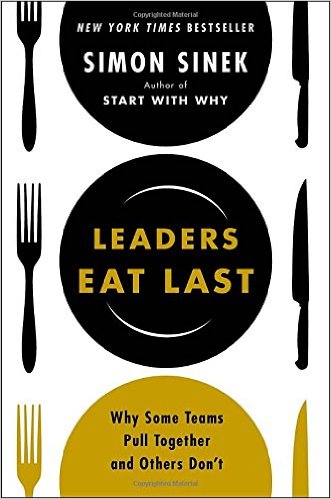
Start with Why     Leaders Eat Last     Entreleadership

Start with Why by Simon Sinek

Leaders Eat Last by Simon Sinek

Entreleadership by Dave Ramsey 

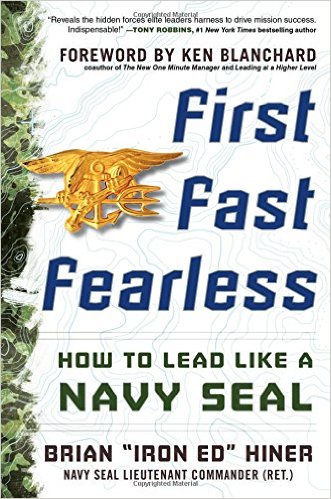
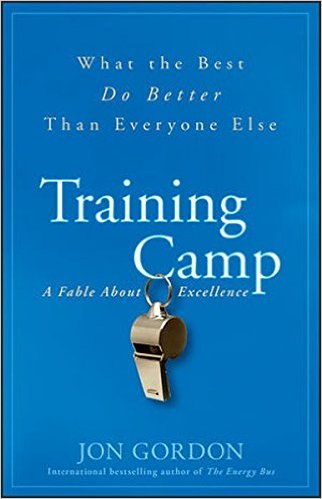
First fast fearless      Energy bus     Training Camp

First, Fast, Fearless by Brian Hiner (Ret. Navy Seal Lieutenant Commander)

The Energy Bus by Jon Gordon

Training Camp by Jon Gordon

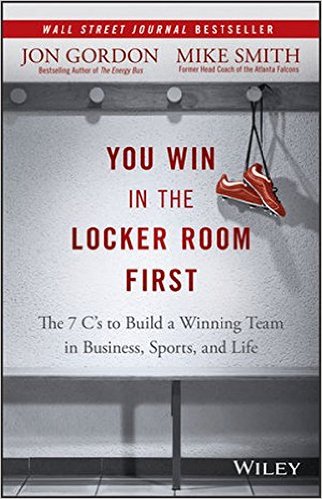
Hard Hat     Soup     You Win

The Hard Hat by Jon Gordon

Soup by Jon Gordon

You Win in the Locker Room First by Jon Gordon

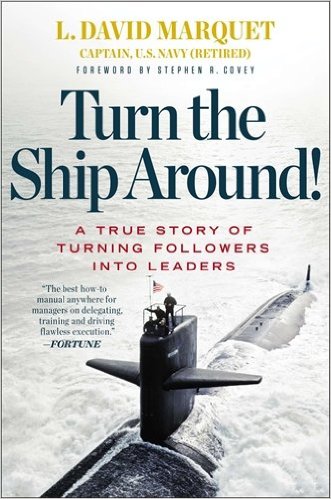
Turn Around     Failing-Forward     Miserable

Turn the Ship Around by David Marquet

Failing Forward by John C. Maxwell

The Three Signs of a Miserable Job by Patrick Lencioni

Five Dysfunctions     The ideal Team player     Good to GReat

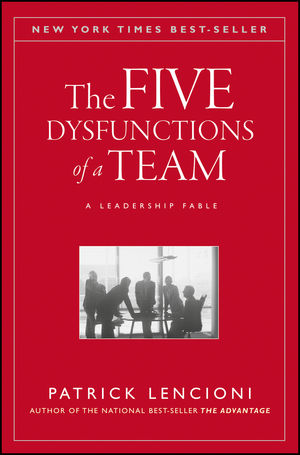
The Five Dysfunctions of a Team by Patrick Lencioni

The Ideal Team Player by Patrick Lencioni

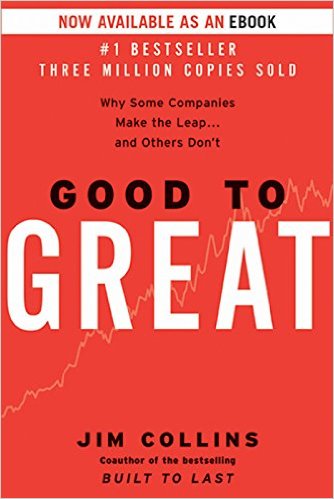
Good to Great by Jim Collins

Currently I am reading “Raising the Bar: Creating and Nurturing Adaptability to Deal with the Changing Face of War” by Dan Vandergriff and believe that it will soon be at the top of this list. I truly hope you get as much out of each of these books as I did. Please let me know if you have any reading suggestions for me and I’ll check them out.

The mission at Thin Blue Line of Leadership is to inspire law enforcement supervisors to be the best leaders they can be by providing positive leadership tactics and ideas. Positive leadership and creating a positive squad culture are on-going commitments that must be nurtured and developed over time. Thin Blue Line of Leadership is here to help.

Please do not hesitate to contact us if you have ideas to share or suggestions for improvement. Your thoughts or comments on this blog are always appreciated either below or on our Facebook page. You can also follow us on Twitter at @tbl_leadership

Continue saving the world one call at a time and as always, LEAD ON!
3 Signs of a Miserable Law Enforcement Job

“High school kids at In-N-Out Burger and Chick-fil-A are doing largely the same job that kids at any other fast-food restaurant are doing, and yet there are a lot fewer miserable jobs at In-N-Out and Chick-fil-A. The difference is not the job itself. It is the management. And one of the most important things that managers must do is help employees see why their work matters to someone. Even if this sounds touchy-feely to some, it is a fundamental part of human nature.”     – Patrick Lencioni

3signs

The premise of the book “3 Signs of a Miserable Job” by Patrick Lencioni is simply this – staying in a miserable job can have severely negative consequences on a person mentally, physically, and emotionally. These consequences can affect a person’s life both personally and professionally and it does not have to be that way. The good news is that, as supervisors, we have the ability to combat the 3 signs of a miserable job and it really is not that complicated.

Here are the 3 signs of a miserable job . . .

  1. ANONYMITY

“People cannot be fulfilled in their work if they are not known. All human beings need to be understood and appreciated for their unique qualities by someone in a position of authority. . . . People who see themselves as invisible, generic, or anonymous cannot love their jobs, no matter what they are doing.”

  1. IRRELEVANCE

“Everyone needs to know that their job matters, to someone. Anyone. Without seeing a connection between the work and the satisfaction of another person or group of people, an employee simply will not find lasting fulfillment. Even the most cynical employees need to know that their work matters to someone, even if it’s just the boss.”

  1. IMMEASUREABILITY

“Employees need to be able to gauge their progress and level of contribution for themselves. They cannot be fulfilled in their work if their success depends on the opinions or whims of another person, no matter how benevolent that person may be. Without a tangible means for assessing success or failure, motivation eventually deteriorates as people see themselves as unable to control their own fate.”

In relation to law enforcement, if an officer is miserable in their job due to the factors of anonymity, irrelevance, and immeasurability, then what is the cost to them personally, their squad, their department, and the community they are supposed to be serving? Personally, they carry their misery home which adversely affects their family life. They become the salty grump in the back of the briefing room that complains about everything and sucks the energy out of all around them. To the department they are a liability because of the negative impact on the culture and the unpredictability of their actions on the road. The community suffers because the miserable officer represents the worst of the police department which erodes public trust and makes the job that much more difficult for the officers that are not miserable. How many officers are you picturing in your head right now that match this description of a miserable officer?

Here are 25 ways law enforcement supervisors can combat anonymity, irrelevance, and immeasurability . . .

ANONYMITY

  1. Create a team atmosphere within the squad where it is believed that we is greater than I.
  2. When you get a new officer, meet with them individually and get them on board with the squad culture from day one.
  3. Recognize good police work in briefing. What you reward will be repeated.
  4. Have officers debrief good calls for service and share their expertise and successes with others.
  5. Get out of the office and on the road with your officers. Try to get on a call for service or backup each of your officers during each shift, if time allows.
  6. Rotating having officers conduct briefing training based upon their policing strengths and interests.
  7. Meet with officers regularly to discuss their career goals and seek out opportunities to help them fulfill those goals.
  8. Get to know your officers’ families. Create opportunities for them to all get together with the other families of the squad.
  9. Send handwritten thank you notes to your officers’ spouses or significant others to let them know that you appreciate the commitment that the families make to law enforcement, too.

IRRELEVANCE

  1. Making policing relevant is about getting back to the “why.” Know why you chose to become a police officer. Know why you chose to be a supervisor. Share your why with your officers. Get to know their why, find opportunities to relate their why to calls for service, and discuss the relationship in briefing.
  2. As a supervisor, you set the tone and create value in community service. If it is important to you, it will be important to them.
  3. Promote public commendations in briefing by reading them aloud for all your officers to hear.
  4. Teach your officers to be good beat cops and take pride in their assigned part of the city.
  5. Get away from the term customer service and focus on community service. The term customer service cheapen what we do as police officers and builds irrelevance.
  6. Have discussions in briefing regarding who your officers serve. Point out that they serve not only the community, but they also serve each other. Discuss that you, the supervisor, are there to serve them.
  7. Teach your squad to have a focus on finding solutions while on calls for serve; not on producing statistics, being a band aid, or handling them as quickly as possible.
  8. Exemplify and promote a culture of positivity on your squad through your actions, attitude, and effort.
  9. Provide good feedback and evaluations to your officers. In return, ask for them to do the same for you.

IMMEASUREABILITY

Of the 3 signs of a miserable job, immeasureability is the most difficult for law enforcement supervisors to deal with directly. There is no limit to the number of statistics that can be measured for each officer: calls for service responded to, self-initiated activities, arrests made, tickets written, response times, amount of time spent on each call, number of community policing activities, etc. The question becomes, are we measuring the right things?

  1. Clearly define what the “rock star” police officer would do on a “perfect” shift based upon the mission, vision, and operational goals of the department.
  2. Determine what statistics officers and/or the department have the ability to capture that correspond to the “perfect” shift. If part of the “perfect” shift includes community policing and/or positive interactions with the community, then a way to count those interactions must be determined, as well.
  3. Set specific goals based upon what the “perfect” shift would look like that clearly define what success looks like for officers and provide them with a way to track those numbers.
  4. Ultimately, whatever is chosen to be measured must be supported by the officers’ direct supervisors because the direct supervisors will give the statistics being measure their value.
  5. Supervisors must assist officers in seeing the positive perspective to their seemingly negative activities like making arrests or writing tickets.
  6. The question to be answered is how do you measure community policing activity effectiveness? Do you count the number of positive citizen commendations, the number of people that say “thank you” after being arrested/written a ticket, or the amount of time dedicated to solving beat problems? This is where the difficulty in the measurability of policing comes into play and must be answered by departments everywhere.

There are many more ways to combat anonymity, irrelevance, and immeasurability in policing. If these 3 signs of a miserable job are not addressed by law enforcement supervisors, then they will have to deal with the miserable officers they are allowing to be created.

“If you’re still not convinced that this makes sense or that it applied to you, this would be a good time to consider resigning your position as a manager and finding a role as an individual contributor.”  – Patrick Lencioni

The mission at Thin Blue Line of Leadership is to inspire law enforcement supervisors to be the best leaders they can be by providing positive leadership tactics and ideas. Positive leadership and creating a positive squad culture are on-going commitments that must be nurtured and developed over time. Thin Blue Line of Leadership is here to help.

Please do not hesitate to contact us if you have ideas to share or suggestions for improvement. Your thoughts or comments on this blog are always appreciated either below or on our Facebook page. You can also follow us on Twitter at @tbl_leadership.

Continue saving the world one call at a time and as always, LEAD ON!