Tag Archives: leadership

Praising Properly: Intelligence vs. Effort

In a controlled study, a group of fifth grade students were each given a puzzle to solve. Half of the students who solved the puzzle were praised for being smart. The other half who solved the puzzle were praised for the high level of effort they gave. The students were then given the option to select another puzzle of their choice. One puzzle was similar in difficulty to the one they had completed successfully and the other one was significantly more difficult. The students were told they probably would not solve the more difficult puzzle, but would learn more from trying to solve it.

What puzzle do you think the “smart” kids chose?

What puzzle do you think the “effort” kids chose?

A majority of the students who were praised for being smart picked the easier puzzle. 90% of the students praised for their effort picked the difficult puzzle. Why do you think that is?

The study concluded that when we praise strictly for intelligence or correctness, the students got the message that being “smart” or “correct” is the key to winning the game. Therefore, they choose easier tasks to complete to keep the praise coming while avoiding new or difficult tasks. This is common because intelligence is typically perceived to be out of our control. Since it is outside our control, being viewed as “not smart” or “incorrect” gives the student no way to respond to potential failure because they see themselves as a victim of their supposed limited intelligence.

When praise for intelligence/correctness has been the primary method of praise, you will hear excuses like “I haven’t been taught that,” “That isn’t the way I was shown before,” and “That isn’t how I learn.” All of these excuses are made from a victim mentality and are a self-preservation technique to keep from feeling dumb/embarrassed for being incorrect. Notice how each of the statements point the blame for the failure away from the student.

However, when we emphasize praise primarily for effort, the students see learning as a variable they can control. They may have been incorrect in the knowledge or action, but praising them for taking on the task and putting forward their best effort leads to more learning. This also gives them a simple solution for responding to failure – PUT IN MORE EFFORT!

When we routinely praise for effort, you will hear student questions like, “How can I do better?,” “Could we try this next?,” and “Can we do that again?” All of these questions show the student taking responsibility for learning and having a willingness to put in more effort.

Success at learning is less dependent on intelligence than it is on grit, curiosity, and effort. The essential ingredients to creating great police officers during training are providing them with challenges, praising their effort while handling them, and then teaching them how to overcome those challenges. The rest is up to the learner and their EFFORT.

The mission at Thin Blue Line of Leadership is to inspire law enforcement supervisors to be the best leaders they can be by providing positive leadership tactics and ideas. Positive leadership and creating a positive squad culture are on-going commitments that must be nurtured and developed over time. Thin Blue Line of Leadership is here to help.

Please do not hesitate to contact us if you have ideas to share or suggestions for improvement. Your thoughts or comments on this blog are always appreciated either below or on our Facebook page. You can also follow us on Twitter at @tbl_leadership.

Continue saving the world one call at a time and as always, LEAD ON!

*** Parts of this blog were paraphrased from the excellent book “Make it Stick” by Peter C. Brown with some of my own additional thoughts. I highly recommend this book to all trainers. ***

What Will Your Verse Be?

My police department has had its ups and downs. At this time, we happen to be in a down. Below is a note I sent to Field Training Officers because my gut told me it was needed…


“The powerful play goes on and you can contribute a verse…

What will your verse be?”   ~Dead Poets Society

THE POWERFUL PLAY GOES ON: The powerful play called life goes on and on and on. Regardless of all the “stuff” that happens within an organization, things always continue moving forward. You know the “stuff” I’m referring to, it gets talked about in-between calls, while writing paper in a beat office, or shows up on the 10 o’clock news. We have zero control over those things. What I do know is that we have an incredible team of people that have taken on the responsibility of being Field Training Officers and that team is actively creating our next generation law enforcement officers.

YOU CAN CONTRIBUTE A VERSE: With every trainee you are assigned, you have the opportunity to contribute a verse which may last over the next 5, 10, 15, or 25 years. The value of that verse cannot be overstated. Look around you and decide right now what kind of officers you want to work with on your squad. Do you want to work with mopey, victims of circumstance that HAVE TO be here or do you want to work with positive, solution-focused officers that WANT TO be here? That is the verse that you, more than anyone else in this department, gets to contribute. If not for the organization, then for your squad, your team, your family.

WHAT WILL YOUR VERSE BE?: In this entire world there are only three things you truly control. Your actions. Your attitude. Your effort. Every challenge we face at work, at home, or in life can be made simpler by attacking it head-on with those three things. What are the actions I need to take? What is the attitude I need to have? How much effort am I willing to expend to be successful? I challenge you to consider these aspects as you decide what your verse will be. What are you willing to contribute to the success of another person? What are you willing to contribute to the success of your next backup officer?

As Field Training Officers, you have a tremendous amount of influence by contributing a verse to the organization one trainee at a time. They look up to you, they envy you, they want to be just like you because you make this very complex profession look easy.

Thank you for everything you do and everything you are going to do!


As leaders, I encourage you to follow your leadership instincts. When you feel that things are off and something encouraging needs to be said, follow that instinct. You never know who you may inspire during that tough time…

The mission at Thin Blue Line of Leadership is to inspire law enforcement supervisors to be the best leaders they can be by providing positive leadership tactics and ideas. Positive leadership and creating a positive squad culture are on-going commitments that must be nurtured and developed over time. Thin Blue Line of Leadership is here to help.

Please do not hesitate to contact us if you have ideas to share or suggestions for improvement. Your thoughts or comments on this blog are always appreciated either below or on our Facebook page. You can also follow us on Twitter at @tbl_leadership.

Continue saving the world one call at a time and as always, LEAD ON!


Defining the TBL Leader

The mission at Thin Blue Line of Leadership is to share positive leadership tactics with the field of law enforcement. It is undeniable that law enforcement is a unique working environment and one in which the word positive is not always easily associated. Law enforcement is not just about laws and policies. It is about the community – victims, civilians, officers, and even the criminals. So, bringing the word “positive” more frequently into law enforcement is a necessity because policing is about people. This belief must be a core value of any Thin Blue Line Leader before delving into a deeper list of qualities.

Leadership comes in many different styles. When it comes to developing one’s own style of leadership, it is most common to emulate leaders that had a significant influence on you either personally or professionally. These role-models of leadership won your heart and then were able to influence your mind.

Here are 10 qualities that define a Thin Blue Line Leader . . .

WINNING RESPECT  – Getting people to listen.

1. Competence – Being competent should be a given. Knowing basic and advanced techniques along with any specialty knowledge/skills you possess starts building your officers’ views of your competency. Do not assume that reputation alone will carry you. Accurately recognizing your own strengths and weaknesses will assist you in developing your competency across the board. A TBL Leader proves their competency from call to call and shift to shift.

2. Integrity and Honesty – Most people would say that integrity and honesty are the same thing, but let’s define it more specifically. Integrity is when your actions match your words. Honesty is when your words match your actions.  Law enforcement officers are constantly in situations and circumstances that test their integrity and honesty. A TBL Leader exemplifies this by holding themselves and their officers to a standard that is above reproach.

3. Initiative – Do not stand still. Leaders with initiative constantly ask why something is the way it is, can it be improved, and what can I do to help. Just assuming that things are fine because “that’s how we’ve always done it” leads to stagnation and mediocrity. Regardless of the time and effort required, the TBL Leader is always looking for innovative ways to improve themselves, their officers, their department, and their community.

WINNING HEARTS – Getting people to believe.

4. Servant – This is not to be confused with subservient. A servant leader recognizes that as a leader they have taken on the responsibility of being selfless for the good of their officers. It is no longer just about your career, but lifting up your officers in their careers. TBL Leaders find ways to make their officers’ jobs easier by providing them with resources, training, and guidance.

5. Authentic – Be yourself. Arrogance and false bravado will build a wall between you and your officers that will make leading effectively much more difficult. Share your experience openly from both law enforcement and your personal life. Talking about things like your marriage, children, hobbies, or pets allows those you lead to gain insight into your belief structure. If you make a mistake, own up to it and set the example by seeking to improve. You are still human and no one, regardless of your rank, expects you to be perfect at all times. TBL Leaders recognize that when it comes to being authentic, you get what you give.

6. Supportive – Being supportive starts by opening your ears. As a leader, you have to listen, recognize, validate, and only then act. Clear communication with your officers will give you all the information you need to proceed with a course of action. Standing up for your officers, when in the right, is a must because TBL Leaders are the glue that holds a team together.

7. Passionate – Passion should be encourage and never discouraged as long as it is appropriately directed. By setting a clear vision and mission for your squad, the leader creates focus and defines what winning looks like. Police officers like to win and the more they win, the more passion that is generated. TBL Leaders do not fear passion; they work tirelessly to create an environment that generates and feeds off of it.

8. Rewarding – Catching your officers doing something right should be an on-going goal of a leader. Too often, excessive amounts of time and energy are wasted searching for things that are done wrong and rewarding what gets done right gets overlooked. Obviously, serious malfunctions in officer safety or investigations need to be addressed, but there is always a way to address this so it does not destroy the officer’s morale or belief in the mission. TBL Leaders realize that rewarding officers positively reinforces and defines the behaviors that you, the leader, want to promote.

WINNING MINDS – Getting people to change.

9. Learner/Educator – Learner and educator go hand in hand. A leader must be a life-long learner. Personal experience will only hold out so long before you are just repeating yourself over and over. Taking the initiative to seek out new information and experiences will allow you to continue growing. Then, as the leader, you must be willing to share and teach what you have learned so the development of those you are responsible for can continue. No one is an expert in everything. Use your network of resources within the department to find experts in areas where you are weak. The TBL Leader recognizes the great value of learning, but realizes that it is most valuable only when it is disseminated.

10. Translator – As a leader, being a good communicator is vital, but more important than communication is the ability to receive information and translate it into support for the vision and mission of your team. As a first-line supervisor, you are the translation conduit between information coming from upper staff and those on your team. The way in which you respond to and present the information you are given will dictate your officers’ response to it. TBL Leaders recognize the power of translation and are clear and direct in their messages.

These 10 qualities define a Thin Blue Line Leader. Thin Blue Line of Leadership can be reached at tblleadership@gmail.com for any questions, comments, or suggestions. You can Like us on Facebook now, as well.

LEAD ON!

Control vs. Influence

KEY POINTS PREVIOUSLY DISCUSSED ABOUT LEADERSHIP ACCOUNTABILITY

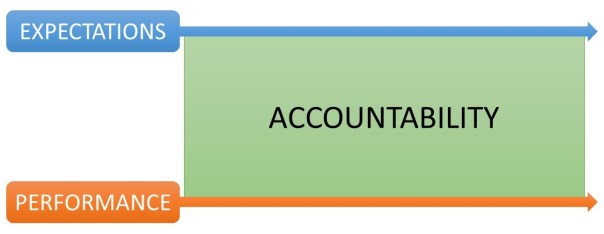
Accountability is the actions, attitude, and effort necessary to merge expectations with performance.

Understanding who controls the expectations and who controls the performance is key to understanding leadership accountability.

Leadership accountability is all about ME. It start with ME. It sustains with ME. It grows with ME. It can be ended by ME. My ACTIONS, ATTITUDE, and EFFORT.

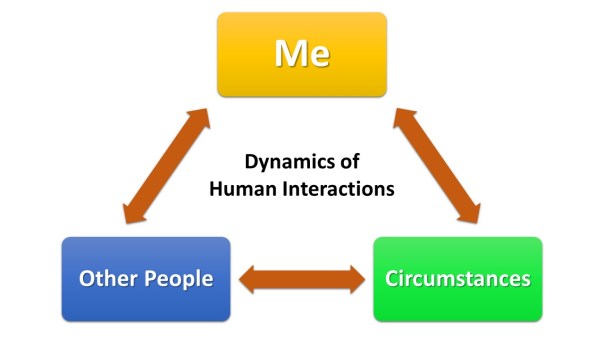
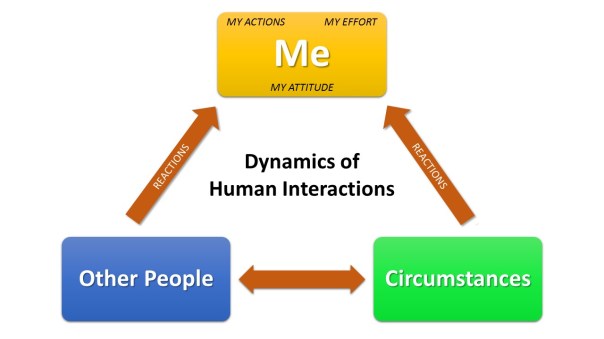
Before I can even begin to discuss control versus influence, we must be on the same page regarding the Dynamics of Human Interactions. Whether we are discussing leadership accountability, use of force situations, handling a “routine” call for service, or any other leadership situation, the same three components always come into play.

As a leader, I must understand these dynamics in order to truly comprehend what I control and what I influence in the world around me. The most significant mistakes ever made in leadership commonly originate from a leader attempting to control something they do not truly have control over. If they had merely asked themself, “How can I influence this?” interaction with this other person or circumstance, the situation may have turned out much differently.

Slide9

In every interaction we have as human beings, there are three basic components: ME, the OTHER PEOPLE involved, and the CIRCUMSTANCES that bring us together.

Slide10

Of these three components, it is vital that I recognize and understand there is only one of these that I have true control over – MYSELF. I cannot control the other people that are involved and I cannot control the circumstances that brought everything together. So, within myself, the things I truly have control over are my actions, my attitude, and my effort.

  • What actions do I have the ability to take? Options?
  • What attitude is the best approach for the situation? Mindset? Role?
  • How much effort is necessary to properly handle this situation successfully?

Slide11

If I take responsibility for and own my actions, attitude, and effort, then I also have to accept that I control my Reactions to the external components of these Dynamics of Human Interactions. As information comes in from Other People, Circumstances, and their Interactions, I must accept that I have NO control over them at all. I can only control my reactions to the information coming in through the actions, attitude, and effort I CHOOSE to respond with.

But, this is not easy. I, as a human being, am an emotional and reactionary creature by nature. It has been programmed into me over thousands of years to survive. Sometimes those survival instincts are beneficial and sometimes they are not. When my survival instincts tell me to strike back quickly, act in a manner that is solely based upon self-preservation, and is the path of least resistance, then I must find a way to freeze the moment and remember what I control. This is especially true in leadership situations.

Slide12

I must accept I cannot CONTROL Other People, Circumstances, and their Interactions. As a leader, I must also accept I can INFLUENCE them. By recognizing that my actions, my attitude, and my effort are the tools I possess to positively influence them, I can begin to see leadership situations in a much different light. The greater my influence, the greater my leadership. The greater my leadership, the more vital it becomes for me to act consistently to maximize my influence.

Slide13

How do I maximize my influence in regards to leadership accountability? Practice personal accountability day in and day out by controlling that which I can control. I can set clear expectations that provide a vision of the future, not just repeat rules and policies. I can provide training, instruction, coaching, counselling, and mentoring. I discipline when necessary to educate, not punish. Finally, I recognize good work and positively reinforce it every chance I get. All of these are methods are ways for me to influence those I lead and the circumstances I am a part of through my actions, my attitude, and my effort.

Whenever I find myself feeling stressed while handling a leadership situation, I hit my mental pause button and change the internal question I am asking myself from “How can I control this?” to “How can I influence this?” Suddenly, the feelings of stress and anxiety begin to dissipate and I begin working the problem using what I can control – MYSELF.

The mission at Thin Blue Line of Leadership is to inspire law enforcement supervisors to be the best leaders they can be by providing positive leadership tactics and ideas. Positive leadership and creating a positive squad culture are on-going commitments that must be nurtured and developed over time. Thin Blue Line of Leadership is here to help.

Please do not hesitate to contact us if you have ideas to share or suggestions for improvement. Your thoughts or comments on this blog are always appreciated either below or on our Facebook page. You can also follow us on Twitter at @tbl_leadership.

Continue saving the world one call at a time and as always, LEAD ON!

Leadership Accountability Starts with Me

Accountability – the actions, attitude, and effort necessary to merge expectations with performance.

As we move forward with our discussion about leadership accountability, I must address two common myths that often send leaders down incorrect paths, or worse, make them appear to be hypocrites.

MYTH #1: Accountability is a team thing.

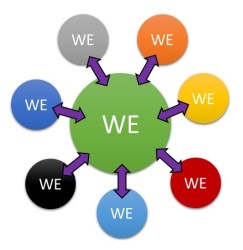
WE

When I read books or listen to someone speak about leadership, I notice the theme of building positive, supportive, and unified teams is everywhere. Heck, I often write about the power of teams here on the TBLL Blog and fully endorse the benefits of building strong teams. However, when it comes to accountability, especially leadership accountability, it is not a team concept. The idea of “you hold me accountable and I, the leader, will hold you accountable” sounds great on paper or when said aloud, but there is one significant flaw in this logic. There is a complete lack of internal accountability being demonstrated where I recognize that I have the power to control both my expectations and my performance. If I am relying on someone else to hold me accountable, am I really being accountable at all? The team accountability concept is based upon others controlling or setting my expectations for me. It means I am turning over the power of controlling my actions, attitude, and effort to say I need you to watch me and make sure I stay on the right path or do the right thing. Ultimately, the most significant issue with leadership accountability under this model becomes who is really leading, forging ahead, and setting the example?

MYTH #2: Accountability is something I, the leader, bestow upon other people.

THEMThe second myth of accountability is that accountability is only something I do to other people. Specifically, the people that work on my squad or unit. If my view is that accountability is an external process of me holding others to my expectations or those of the department, then I am creating a culture of “them” and “they.” With this idea of accountability, I believe I must hold them accountable at all times and attempt to control their performance towards my expectations. This often comes across as micromanaging to those being led and to me it feels as if my entire job has become running around putting out fires all day. To those I am holding accountable, their perspective becomes one of contempt and I have now become part of the infamous “they.” The generic pronoun used to describe those higher in power within an organization when we feel there is not a choice in whatever matter is at hand. Ultimately, this style of accountability is only sustainable for as long as the leader can manage the energy to keep it up and are physically present around those they are “leading” to enforce their expectations. Once the leader becomes too tired to keep it up, they retract to the confines of their office to hide because they just cannot manage the level of effort required to constantly hold six to eight people constantly accountable. Worst of all is that none of those on the squad or unit have ever learned how to hold themselves accountable to these expectations because the boss has always done it for them.

TRUTH: Accountability, especially leadership accountability, is all about me.

METhe truth about leadership accountability is that it is all about ME. It starts with ME. It sustains with ME. It grows with ME. It can be ended by ME. The concept of anything in leadership being “all about me” is a colossal departure from 99.9% of what I read and hear about good leadership, but when it comes to leadership accountability it truly is controlling MY actions, MY attitude, and MY effort that dictate my application of accountability. Leadership accountability is an inside out process. It is through internal accountability that I set the proverbial bar or expectations. Those I am leading see what I am doing, how I am doing it, and most importantly I explain why I am doing what I am doing. As the example is set, then I have earned the right to set external expectations of those I am leading because they know that I am not and never would ask them to do something I am not doing or willing to do myself. In other words, I must exemplify accountability before I can ever expect it from those I lead – that is leadership accountability.

Once the example of leadership accountability is set, then it begins to grow. In the next TBLL Blog, we will discuss how accountability grows through the leader’s example.

Questions to ponder . . .

  • In my current leadership position, did I set the expectations first or set the example first?
  • What are the benefits to be gained from exemplifying a solid foundation of leadership accountability?
  • As a leader, do I control those I am leading or do I influence them?

The mission at Thin Blue Line of Leadership is to inspire law enforcement supervisors to be the best leaders they can be by providing positive leadership tactics and ideas. Positive leadership and creating a positive squad culture are on-going commitments that must be nurtured and developed over time. Thin Blue Line of Leadership is here to help.

Please do not hesitate to contact us if you have ideas to share or suggestions for improvement. Your thoughts or comments on this blog are always appreciated either below or on our Facebook page. You can also follow us on Twitter at @tbl_leadership.

Continue saving the world one call at a time and as always, LEAD ON!

*** Parts of this blog are paraphrased from the excellent book, QBQ: The Questions Behind the Question by John G. Miller.

Internal vs. External Leadership Accountability

What is accountability? Take a brief moment to ask yourself what this word truly means to you. Can you define it? Put it into words? Does it involve other people or just yourself?

What is leadership accountability? Once you take on a leadership role, does the definition of accountability change? If so, how does it change? Does it involve other people or just yourself?

These are questions leaders need to consider and have a grasp upon for themselves. Over the next few Thin Blue Line of Leadership blogs, I am going to attempt to answer these questions on accountability and leadership accountability.

From this point forward in the blog, I am going to write in the first-person because I am a leader, too. A leader that has made leadership mistakes, struggled with my own accountability, and asked myself questions about how to appropriately hold other people accountable. When writing or speaking about accountability, it is too easy to hear the pronoun “you” as a challenge or an attack. So, as you read this blog further, please personalize this information for the benefit of yourself and your specific situation.

Slide2

Accountability in this diagram is represented by the green rectangle filling the void between expectations and performance. Here is how I define accountability – Accountability is the actions, attitude, and effort necessary to merge expectations with performance.

Why actions, attitude, and effort? Because in life, the only things I truly have control over are my actions, my attitude, and my effort. Those three things are the building blocks I have to work with for solving any problem I may face; including problems related to accountability. My actions, my attitude, and my effort are not only the lens through which I react to my perceptions of my world, but also serve as the ammunition with which I have to influence the world around me.

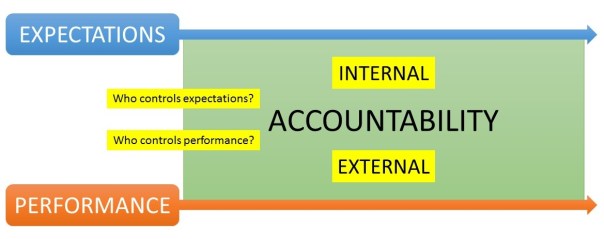
There are two types of accountability to consider before moving on: internal and external. Internal accountability is when I control or support the expectation and I also control the related performance of the a situation or circumstance. One example of an internal accountability issue would be body weight. If I have an expectation that my goal weight should be 200 pounds, then it is only through my performance, control of my actions, attitude, and effort, that I have any real chance of meeting that expectation.

Slide4

External accountability is when I control or support the expectation, but the performance is controlled by another person. Specifically, it is controlled by their actions, attitude, and effort. For example, if my police department has an expectation that officers should always wear their seatbelt when driving in their patrol vehicle, then that would be an expectation that I must support through my actions, attitude, and effort. However, in carrying out the performance associated with this expectation, it will be the officers’ actions, attitude, and effort that will determine if performance meets expectations. The difference in between and closing that gap is where leadership accountability comes into play.

It has often been my failure, or maybe reluctance at times, to recognize who controls expectations and who controls performance that has led to my worst leadership decisions. Whether it was setting unrealistic expectations, expectations that did not challenge, or failing to take into account who really controls the performance of an expectation; all of these can cause a leadership accountability failure. Ultimately, when speaking on accountability, it is the responsibility of the leader to recognize what they control versus that which they influence.

Over the next few weeks, Thin Blue Line of Leadership will continue to explore the topic of leadership accountability and attempt to answer this question – Why does leadership accountability seem so simple on its face, but often times is incredibly challenging to put into practice?

Questions to ponder . . .

  • Do we really control our actions, attitude, and effort? At all times? What gets in the way?
  • What is the difference for a leader between control and influence? Which lasts longer?
  • What are a leader’s options for merging expectations with performance?

The mission at Thin Blue Line of Leadership is to inspire law enforcement supervisors to be the best leaders they can be by providing positive leadership tactics and ideas. Positive leadership and creating a positive squad culture are on-going commitments that must be nurtured and developed over time. Thin Blue Line of Leadership is here to help.

Please do not hesitate to contact us if you have ideas to share or suggestions for improvement. Your thoughts or comments on this blog are always appreciated either below or on our Facebook page. You can also follow us on Twitter at @tbl_leadership.

Continue saving the world one call at a time and as always, LEAD ON!
Small Words, BIG MESSAGE

Yesterday morning, I went out for my typical run before the blazing Arizona sun made it unbearable. After a year or so of consistent running, I have finally gotten to the point that I can actually think while I’m running hard. So, when I veered off my regular route to break routine, I ran by a church that I normally would never see and noticed a sign similar to the one pictured above. That sign definitely got me thinking throughout the rest of my run and even into the next morning which is why I am writing this.

The sign is placed directly in front of the main doors of the sanctuary. It is at the head of the closest parking stall in a rather large parking lot. This parking spot was even closer to the church entrance than 5 handicapped stalls. By the way, the pastor lives in the house directly behind the sanctuary…

Please do not think this blog is a bash on religion, any specific religious organization, or religious leaders. This could have been in front of any number of organizations, including a police department. The one I saw just happened to be in front of a church.

For the rest of my run, I could not help but to ponder all of the small words and/or actions that have big messages. We, as law enforcement leaders, must be cautious of even the smallest words and actions we say or do. In the moment, we may not recognize the perception and meaning granted to them by others.

  • Do we take the newest car in the fleet or do we have the oldest?
  • Do we hold doors open for people or expect them to open them for us?
  • Do we go to others to interact or expect them to come to us?
  • Do we train with our officers or do we have our own “special” training?
  • Do we expect others to put their phones down when we speak, but don’t do the same for them?
  • Do we park in the closest spot to the front doors or leave it open for others?

I challenge every leader that reads this blog to slow down their thinking and explore what small words or actions may be sending big messages to those around you. As easy as it is to assume these messages are all negative, understand that doing the opposite of the things listed above are small things that can have a significant positive impact on those around you.

The mission at Thin Blue Line of Leadership is to inspire law enforcement supervisors to be the best leaders they can be by providing positive leadership and culture development tactics. Positive leadership and creating a positive squad culture are on-going commitments that must be nurtured and developed over time.

Thin Blue Line of Leadership is here to help. Continue reading our Twitter feed and check out our other blogs for tactics on creating positive culture. Share your thoughts or comments on this blog below or on our Facebook page. You can also follow us on Twitter at @tbl_leadership.

Continue saving the world one call at a time and as always, LEAD ON!

10 Tips for New Sergeants

For the last 8 years, I have been a Field Training Sergeant. It is truly a pleasure knowing that I am having an impact on the future of my police department by training these new leaders. I see this responsibility as a vital one. If I do not do a good job, I am not just affecting that new sergeant, but every officer that serves on his or her squad.

Just so we are on the same page, here is how my department handles sergeant training. Sergeant field training is a 5 week process – 2 weeks with one training sergeant, 2 weeks with a different training sergeant, and then one final week back with the first training sergeant. At the end of each shift, the Field Training Sergeant completes a daily observation report (similar to FTO) that summarizes and scores everything the prospective new sergeant did throughout that shift. While writing these daily observation reports, I have noticed that there are certain bits of advice that I seem to be repeatedly writing for every sergeant I help train.

So, here are my 10 tips for new sergeants . . .

  1. Successful sergeants spend 80% of their time working with people and 20% doing everything else. Sergeants that fail to inspire, have a poor squad culture, and breed negative officers focus more on everything else rather than people and building relationships.
  2. Successful sergeants find ways to teach their officers to be adaptive decision-makers; not robots that only understand how to solve problems with checklists. When opportunities present themselves, sergeants explain their process for making difficult decisions and everything they took into account. Then, when their officers face similar situations they have been taught to apply their own similar process.
  3. Successful sergeants never waste briefing time. There is always something that could be discussed, debated, trained, or learned in briefing. This is one of the few opportunities when sergeants have their entire squad’s attention at the same time; make the most of it.
  4. Successful sergeants understand that policing is a complicated profession. Both sergeants and their officers are going to make mistakes at some point. Do not hide mistakes, share them openly and turn them into learning opportunities focused on improvement. Mistakes are fine, just don’t make the same one twice.
  5. Successful sergeants recognize, reward, and promote good police work by their officers. They use whatever methods are available at their department to make this happen anytime an officer goes above and beyond. Not only does this create a more positive culture, but it also spurs on more officers to look for opportunities to go above and beyond. What a sergeant rewards will be repeated.
  6. Successful sergeants have a vision of the culture they want to have on their squad. Squad culture is defined as the conglomeration of your officers’ actions, attitude, and effort. If you asked another sergeant to describe your squad in 4 words, what words would they use? That is your culture. If you don’t like those words, do something about it.
  7. Successful sergeants do not lead from their desks. They get out on the road with their officers and find ways to serve them throughout each shift. They never believe themselves to be too good for the “grunt” work of being a patrol officer; they get in there and get their hands dirty occasionally.
  8. Successful sergeants recognize that their actions, attitude, and effort tell their officers what is important to them. If a sergeant speaks negatively about their schedule, some situation at the department, or some aspect of the job, then don’t be surprised when the officers have that same opinion or are representing that opinion openly. Negativity breeds negativity.
  9. Successful sergeants know what they do not know, then they find ways to compensate for those areas. If they are not good at tactical situations, they talk to the department’s SWAT officers about various scenarios and how they would handle them. If they are not good at traffic or investigations, they build relationships with motors or detectives that are respected. The most important aspect of this tip is that a sergeant never fakes knowledge and gives bad advice to an officer. This will kill their credibility. If an officer has a question that the sergeant does not know the answer to, the best thing they can do is say, “That is a great question, I don’t know, but I know someone who will. Standby and I’ll call you right back.”
  10. Successful sergeants never allow themselves or their officers to stop learning. The minute a sergeant thinks they know it all is the moment they begin sliding towards mediocrity. A sergeant values training and realizes that the more training they can get for their officers, the better their officers will be on the road.

Got a tip you would give to a new sergeant?

The mission at Thin Blue Line of Leadership is to inspire law enforcement supervisors to be the best leaders they can be by providing positive leadership tactics and ideas. Positive leadership and creating a positive squad culture are on-going commitments that must be nurtured and developed over time. Thin Blue Line of Leadership is here to help.

Please do not hesitate to contact us if you have ideas to share or suggestions for improvement. Your thoughts or comments on this blog are always appreciated either below or on our Facebook page. You can also follow us on Twitter at @tbl_leadership.

Continue saving the world one call at a time and as always, LEAD ON!
3 Signs of a Miserable Law Enforcement Job

“High school kids at In-N-Out Burger and Chick-fil-A are doing largely the same job that kids at any other fast-food restaurant are doing, and yet there are a lot fewer miserable jobs at In-N-Out and Chick-fil-A. The difference is not the job itself. It is the management. And one of the most important things that managers must do is help employees see why their work matters to someone. Even if this sounds touchy-feely to some, it is a fundamental part of human nature.”     – Patrick Lencioni

3signs

The premise of the book “Three Signs of a Miserable Job” by Patrick Lencioni is simply this – staying in a miserable job can have severely negative consequences on a person mentally, physically, and emotionally. These consequences can affect a person’s life both personally and professionally and it does not have to be that way. The good news is that, as supervisors, we have the ability to combat the 3 signs of a miserable job and it really is not that complicated.

Here are the 3 signs of a miserable job . . .

  1. ANONYMITY

“People cannot be fulfilled in their work if they are not known. All human beings need to be understood and appreciated for their unique qualities by someone in a position of authority. . . . People who see themselves as invisible, generic, or anonymous cannot love their jobs, no matter what they are doing.”

  1. IRRELEVANCE

“Everyone needs to know that their job matters, to someone. Anyone. Without seeing a connection between the work and the satisfaction of another person or group of people, an employee simply will not find lasting fulfillment. Even the most cynical employees need to know that their work matters to someone, even if it’s just the boss.”

  1. IMMEASUREABILITY

“Employees need to be able to gauge their progress and level of contribution for themselves. They cannot be fulfilled in their work if their success depends on the opinions or whims of another person, no matter how benevolent that person may be. Without a tangible means for assessing success or failure, motivation eventually deteriorates as people see themselves as unable to control their own fate.”

In relation to law enforcement, if an officer is miserable in their job due to the factors of anonymity, irrelevance, and immeasurability, then what is the cost to them personally, their squad, their department, and the community they are supposed to be serving? Personally, they carry their misery home which adversely affects their family life. They become the salty grump in the back of the briefing room that complains about everything and sucks the energy out of all around them. To the department they are a liability because of the negative impact on the culture and the unpredictability of their actions on the road. The community suffers because the miserable officer represents the worst of the police department which erodes public trust and makes the job that much more difficult for the officers that are not miserable. How many officers are you picturing in your head right now that match this description of a miserable officer?

Here are 25 ways law enforcement supervisors can combat anonymity, irrelevance, and immeasurability . . .

ANONYMITY

  1. Create a team atmosphere within the squad where it is believed that we is greater than I.
  2. When you get a new officer, meet with them individually and get them on board with the squad culture from day one.
  3. Recognize good police work in briefing. What you reward will be repeated.
  4. Have officers debrief good calls for service and share their expertise and successes with others.
  5. Get out of the office and on the road with your officers. Try to get on a call for service or backup each of your officers during each shift, if time allows.
  6. Rotating having officers conduct briefing training based upon their policing strengths and interests.
  7. Meet with officers regularly to discuss their career goals and seek out opportunities to help them fulfill those goals.
  8. Get to know your officers’ families. Create opportunities for them to all get together with the other families of the squad.
  9. Send handwritten thank you notes to your officers’ spouses or significant others to let them know that you appreciate the commitment that the families make to law enforcement, too.

IRRELEVANCE

  1. Making policing relevant is about getting back to the “why.” Know why you chose to become a police officer. Know why you chose to be a supervisor. Share your why with your officers. Get to know their why, find opportunities to relate their why to calls for service, and discuss the relationship in briefing.
  2. As a supervisor, you set the tone and create value in community service. If it is important to you, it will be important to them.
  3. Promote public commendations in briefing by reading them aloud for all your officers to hear.
  4. Teach your officers to be good beat cops and take pride in their assigned part of the city.
  5. Get away from the term customer service and focus on community service. The term customer service cheapen what we do as police officers and builds irrelevance.
  6. Have discussions in briefing regarding who your officers serve. Point out that they serve not only the community, but they also serve each other. Discuss that you, the supervisor, are there to serve them.
  7. Teach your squad to have a focus on finding solutions while on calls for serve; not on producing statistics, being a band aid, or handling them as quickly as possible.
  8. Exemplify and promote a culture of positivity on your squad through your actions, attitude, and effort.
  9. Provide good feedback and evaluations to your officers. In return, ask for them to do the same for you.

IMMEASUREABILITY

Of the 3 signs of a miserable job, immeasureability is the most difficult for law enforcement supervisors to deal with directly. There is no limit to the number of statistics that can be measured for each officer: calls for service responded to, self-initiated activities, arrests made, tickets written, response times, amount of time spent on each call, number of community policing activities, etc. The question becomes, are we measuring the right things?

  1. Clearly define what the “rock star” police officer would do on a “perfect” shift based upon the mission, vision, and operational goals of the department.
  2. Determine what statistics officers and/or the department have the ability to capture that correspond to the “perfect” shift. If part of the “perfect” shift includes community policing and/or positive interactions with the community, then a way to count those interactions must be determined, as well.
  3. Set specific goals based upon what the “perfect” shift would look like that clearly define what success looks like for officers and provide them with a way to track those numbers.
  4. Ultimately, whatever is chosen to be measured must be supported by the officers’ direct supervisors because the direct supervisors will give the statistics being measure their value.
  5. Supervisors must assist officers in seeing the positive perspective to their seemingly negative activities like making arrests or writing tickets.
  6. The question to be answered is how do you measure community policing activity effectiveness? Do you count the number of positive citizen commendations, the number of people that say “thank you” after being arrested/written a ticket, or the amount of time dedicated to solving beat problems? This is where the difficulty in the measurability of policing comes into play and must be answered by departments everywhere.

There are many more ways to combat anonymity, irrelevance, and immeasurability in policing. If these 3 signs of a miserable job are not addressed by law enforcement supervisors, then they will have to deal with the miserable officers they are allowing to be created.

“If you’re still not convinced that this makes sense or that it applied to you, this would be a good time to consider resigning your position as a manager and finding a role as an individual contributor.”  – Patrick Lencioni

The mission at Thin Blue Line of Leadership is to inspire law enforcement supervisors to be the best leaders they can be by providing positive leadership tactics and ideas. Positive leadership and creating a positive squad culture are on-going commitments that must be nurtured and developed over time. Thin Blue Line of Leadership is here to help.

Please do not hesitate to contact us if you have ideas to share or suggestions for improvement. Your thoughts or comments on this blog are always appreciated either below or on our Facebook page. You can also follow us on Twitter at @tbl_leadership.

Continue saving the world one call at a time and as always, LEAD ON!

10 Steps for Teaching Law Enforcement Leadership – Part 1

“The rank of office is not what makes someone a leader. Leadership is the choice to serve others with or without any formal rank. There are people with authority who are not leaders and there are people at the bottom rungs of an organization who most certainly are leaders. It’s okay for leaders to enjoy all the perks afforded them. However, they must be willing to give up those perks when it matters.”

~ Excerpt from Leaders Eat Last by Simon Sinek


A couple of weeks ago, I received a direct message on Twitter that asked the following: “I was in the military and have been a police officer for 10 years. I would love to hear how you teach leadership. I’m not trying to be a doubter, but I work for some non-leading people who don’t know or understand leadership or how to lead.”

First, let me say how unfortunate it is that you are currently working for “some non-leading people.” I can empathize with how you are feeling and guarantee you are not alone in that feeling. In fact, most law enforcement agencies have their fair share of “non-leaders” who are in positions of higher rank. Policing is a noble profession with an amazing purpose and plenty of fun, exciting moments; but all of that can be overshadowed when working for a “non-leader.”

Law enforcement agencies hire people from many different facets of life. Some come from the military, some come from the business world, and others come straight out of college. Every one of these people enter the law enforcement profession with many different prior experiences and therefore different definitions of leadership and what it should look like. To teach leadership within a law enforcement agency, this fact must be addressed.

It is imperative that law enforcement agencies develop a strategy for teaching leadership and developing leaders within the organization from the moment an officer is hired and throughout the entirety of their career. Only then can an agency begin to achieve leadership excellence throughout every level of rank.

Here are the first 5 steps for teaching leadership in law enforcement:

  1. Hire Leadership Potential

Teaching leadership starts by hiring the right people. In order to develop leaders, an organization must identify people in the hiring process that are self-reflective, values based, and authentic. They must possess the capability to assess themselves and their actions honestly. An ability to identify both strengths and weaknesses is vital in the development of a leader. Their values must be clear because as a police officer they are going to be given great power and we all know that with great power comes great responsibility. Clear values also make decision-making easier and good decision-making is a key characteristic of good leaders. Authentic people know who they are. They are comfortable with themselves and can therefore withstand the pressures of the job; both inside the organization and out. If this were easy, every law enforcement agency would do it. In order to find these people in the hiring process, the true leaders within the agency must be involved in the process at all levels. This is key because those that are true leaders and have seen true leadership possess the unique ability to spot other leaders.

  1. Define Leadership

In order to define leadership, a law enforcement agency must start by defining its desired culture. Culture should answer questions like the following: Who do we want to be? and What are we all about? As mentioned in previous blogs, culture is made up of an agency’s prevailing actions and attitudes over time. Defining desired actions and attitudes creates the culture. (Example “Culture in Just 4 Words”) Only when a clear vision of the desired culture exists can specific leadership characteristics be defined. Defining leadership means thinking about the desired culture and asking the following question: What specific actions and attitudes do leaders within the organization need to be exemplifying in order to promote the desired culture? (Example “The 10 Law Enforcement Leadership Commandments”) Do not confuse this with a generic department vision or mission statement. Defining leadership means to identify specific actions and attitudes that leaders and developing leaders should be applying to everything they do and every decision they make.

  1. Learn about Leadership

True leaders are lifelong learners. They recognize that there will never be a point in their career when they can just relax, stop learning, and become stagnant to knowledge. To create this atmosphere of lifelong learning, law enforcement organizations must encourage and provide leadership education. In the same way officers train regularly in defensive tactics, firearms, and legal updates, leadership training should be just as regular. Too often, leadership training is left up to individuals to seek out their own learning. If an agency takes the time to define their own style of leadership, then they should be supporting it with training that builds off of their leadership definition. Departments can encourage discussion groups at each level of rank where similar challenges and successes can be shared with each other. Develop a preferred leadership reading list that contains books that support the definition of leadership chosen by the department. Here are some books that have defined my definition of leadership: Start with Why by Simon Sinek, Leaders Eat Last by Simon Sinek, You Win in the Locker Room by Jon Gordon, The Energy Bus by Jon Gordon, First Fast Fearless by Brian Hiner, EntreLeadership by Dave Ramsey, QBQ! by John G. Miller, Turn the Ship Around by L. David Marquet, Failing Forward by John C. Maxwell, The Three Signs of a Miserable Job by Patrick Lencioni, and The Five Dysfunctions of a Team by Patrick Lencioni. I have personally read all of these books and this same list is given to anyone within my department that has a desire to learn more about leadership.

  1. Identify Informal Leaders

If a department adheres to Step #1: Hire Leadership Potential, then it is imperative that the current leaders within the organization keep a constant watch for officers that are demonstrating leadership potential from informal positions. Here are a few key behaviors that identify informal leaders: They teach others how to be better officers. They learn from their mistakes. They take the lead on calls for service. They absorb learning about the job. They do not fear hard work. They find ways to help others. They bring others together. They are not scared to give or take advice. They are active participants in briefings. They are always looking to be the best officer they can be. They stay positive and seek solutions when issues arise instead of mindlessly complaining. Once identified, find ways to recognize and reward their leadership behaviors. This will not only reinforce the leadership behaviors of the informal leader, but will also spark other officers to follow their example. (Example “A Law Enforcement Recognition Idea”)  It is also necessary to keep these informal leaders stimulated by involving them in discussions about leadership or introducing them to the department leadership reading list – See Step #3: Learn about Leadership. Finally, challenge these informal leaders to start planning and doing what is necessary to move into more formal leadership roles within the department such as testing for a specialty unit or becoming a field training officer (FTO).

  1. Leadership-Based Field Training Officers

Creating a leadership-based FTO program starts with going back to Step #2: Defining Leadership. Basing the testing and selection criteria off of this definition is key. The defined actions and attitudes that the department identifies as the qualities it wants its leaders to exhibit should be used to create test questions, oral board questions, and/or scenarios. The candidate pool should primarily be filled with the informal leaders identified in Step #4: Identify Informal Leaders. Once selected, FTO School should not only be based upon reinforcing the defined leadership characteristics, but also on instructing/evaluating in one-on-one situations, progressive trial/error based learning, positive engagement, and situational decision-making. Unfortunately, many FTO schools spend the majority of their time on administrative tasks, documentation, and strict policy adherence to mitigate liability. While these are important, leadership-based FTO programs should be built upon the belief that a trainee does not care how much the FTO knows until the trainee knows how much the FTO cares. This belief is most easily ingrained into new FTO’s if they have had it exemplified to them by their FTO’s and experienced the success that can be had from it.

These are the first 5 of 10 Steps for Teaching Leadership in Law Enforcement. The next blog post will continue with Steps 6 through 10.

The mission at Thin Blue Line of Leadership is to inspire law enforcement supervisors to be the best leaders they can be by providing positive leadership tactics and ideas. Inspired leaders, inspire cops, improve policing, create better communities. It’s just that simple! Thin Blue Line of Leadership is here to help.

Please do not hesitate to contact us if you have ideas to share or suggestions for improvement. Your thoughts or comments on this blog are always appreciated either below or on our Facebook page. You can also follow us on Twitter at @tbl_leadership.

Continue saving the world one call at a time and as always, LEAD ON!