Tag Archives: squad

A Law Enforcement Recognition Idea

The mission at Thin Blue Line of Leadership is to share positive leadership tactics with the field of law enforcement. Positive leadership and creating a positive squad culture are on-going commitments that must be nurtured and developed over time. One way to do this is by recognizing and rewarding great police work on a routine basis. Here is an idea that came to me the other day.

I found myself watching a college football game last weekend and was noticing the band, the cheerleaders, the crazy student section, the mascot, and of course the players. A thought struck me at that time regarding the strength of culture at these collegiate institutions. Then I began to pay particular attention to the helmets of the Florida State Seminoles and noticed that there were little tomahawk stickers on the player’s helmets. This was not something new as I have seen them on many other college team helmets, but today I guess it just struck me at the right time.

helmet

A Wikipedia search of “helmet stickers” revealed that recognition or pride stickers have been rewarded to players since the mid-1950’s for making excellent plays, selfless plays, and even for hard work at practices. The idea stemmed from fighter pilots that marked their planes to signify the number of kills or successful missions they had flown. Then I started to make a connection to police work.

Most police departments have awards that are given out on an annual basis, but if you really want to positively reinforce behavior then it needs to be done on a much more consistent basis than that. So, I created some law enforcement recognition stickers using the Thin Blue Line of Leadership logo and had them printed at evermine.com.

sticker

For a very small cost ($15+shipping), I received over 100 custom recognition stickers (1″ diameter) to give out in briefings to reward the great things that officers do on a daily basis. I am not selling anything or being paid by evermine.com to tell you any of this; I am simply sharing an idea and evermine happened to be the website that popped up first.

TYPES OF STICKERS: Walking into briefing with a couple of recognition stickers immediately makes everyone wonder who is being recognized and for what. It provides the perfect opportunity to reinforce more of the “smaller” things that do not rise to the level of an official ribbon or annual award. If you catch an officer changing a flat tire, give them a sticker. Have an officer that routinely volunteers to hold over a couple of hours to accommodate staffing needs, give them a sticker. If an officer does an amazing investigation or writes a great report, give them a sticker after they talk about it with the squad so everyone has a chance to learn from that officers great moment. Any action that supports what the squad is all about, the desired culture, should be recognized. This sticker is only given out when I, the sergeant, want to personally thank them or recognize them for some good work they did or a sacrifice they made for the squad. What gets recognized and rewarded gets repeated.

After the success of the above recognition sticker,  I created a second sticker for our squad. These stickers can only be received by officers that are being recognized by a person outside of the squad or another officer on the squad.

r1lion

It is a squad logo created of a lion (think LE Memorial) and stars to represent the people on our squad. These stickers were used for two purposes. First, when someone from outside the squad wants to recognize a member of the squad for something. These commendations could come from citizens, other supervisors, upper staff, etc. Secondly, the most interesting use for these stickers was for officers to internally thank each other when someone sacrificed to help them out personally. For example, when an officer found a good arrest and had a ton of items to impound related to the arrest and their squad mates stayed late to help them get done quicker. The next shift, they would come ask me for however many stickers they needed and in briefing would thank the officers that helped them out. The coolest part of the stickers is that they ended up perpetuating officers going above and beyond for their fellow officers to a whole new level than I had ever seen in policing.

The officers decide where to collect their stickers, but my suggestion would be their ticket clipboards to display their accomplishments proudly. Some put them on their locker or some other place they see on a daily basis. This serves as a consistent reminder of their many accomplishments and makes a statement about having a positive squad culture.

clipboard

Do you have a similar way of rewarding officers in your department?

Share your thoughts or comments with us below or on our Facebook page. Continue saving the world one call at a time and as always, LEAD ON!

Welcome to the Squad: New Officer Checklist

The mission at Thin Blue Line of Leadership is to share positive leadership tactics with the field of law enforcement. Positive leadership and creating a positive squad culture begins the moment an officer arrives on the squad.

The world of law enforcement is hectic enough without having to reinvent the wheel every time a new officer gets assigned to the squad. Taking the time to establish a list of items to cover upon arrival promotes consistency, shows positive leadership, and continues the creation of a positive squad culture.

Below are some items to consider when creating a New Officer Checklist. They are in no particular order and each department and/or assignment may have their own specific items that should be included.

  1. Verify the officer knows their current chain of command.
  2. Describe the personalities of their new squad mates, their strengths, and the overall group dynamic.
  3. Go over squad expectations. Describe what a “rock star” looks like and how you plan to provide feedback consistently.
  4. Share any specific district/beat goals, issues, and initiatives that are on-going.
  5. Provide information on who to talk to regarding district resources and equipment.
  6. Ask the new officer about their background, family, strengths, goals, training they are interested in, and areas they would like to improve in.
  7. Ask the new officer what their expectations are of you as their new supervisor.

This list is not one to cram into the new officer’s first shift. Getting through the first 4 basic items will set them up with what they need to know immediately. The last 3 items will set the new officer up for future success.

 Is there anything else you would include in your New Officer Checklist?

Share your thoughts or comments with us below or on our Facebook page. Continue saving the world one call at a time and as always, LEAD ON!

Saving the World One Call at a Time

“We see the world, not as it is, but as we are – or, as we are conditioned to see it.” ~Stephen R. Covey

Creating the lens through which your officers view their “policing world” is one of the most valuable lessons a law enforcement leader can provide. Engraining the philosophy that they are “saving the world one call at a time” conditions them into viewing their “policing world” through a positive and successful lens.

As the sergeant or first-line supervisor, you are responsible for establishing the lens of your squad. Whether it is positive or negative is determined by you. Reminding your squad on a regular basis that they are “saving the world one call at a time” sets a positive tone. You alone have the contact, communication, and connection with your officers to consistently remind them why they do what they do. If an officer loses their “why” then they lose their “way.” Don’t let that happen!

Convincing your officers that they are “saving the world one call as a time” sends four very valuable messages . . .

SAVING THE WORLD

1. Your work has value. “Saving the world” . . . Every call an officer responds to or initiates has value. Responding to a commercial alarm call gives the business owner security. Making traffic stops enhances roadway safety. Helping with a disabled vehicle, taking a theft report, settling a family fight . . . value, value, value. Never allow yourself to say that your officers are “just doing their job.” If they are saving the world, can their work have any more value?

2. Passion for policing is essential. “Saving the world” . . . Passion should not be discouraged, but encouraged. Finding your officers’ strengths and helping them to develop in those areas will create passion. Passion solidifies their purpose both on your squad and in the department. Passion brings officers to work enthusiastically, not just for a check. Passion generates production without having to set quotas or make demands. Passion makes better officers.

ONE CALL AT A TIME

3. Focus on each call.One call at a time” . . . The call they are on should be your officers’ sole focus. Each and every call presents its own unique challenges and circumstances. Law enforcement establishes policy and creates training in the name of officer safety as a matter of routine, but if the focus is not there, then all of the policy and training in the world will not matter. Use “saving the world one call at a time” as a reminder of the importance to maintain focus while handle calls properly the first time so they do not become recurring issues.

4. Do not let the negatives compound. “One call at a time” . . . No one gets to see what we see or do what we do. This can be both very positive and very negative. It is vital that you speak with your officers regularly about the mentally tough calls they respond to so the negativity does not build up on the psyche. Watch for subtle behavioral signs that negativity is weighing on them. Combat negativity by rewarding and recognizing the positive behaviors and effort that come out while handling a negative call. Say something like, “Hey, I know that was a really tough call, but you did a phenomenal job handing the situation. I’m proud to have you on the squad.” Just a quick line like that takes all of the weight out of the call and opens up a great line of communication between you and the officer.

“Saving the world one call at a time” needs to be a mental brand that is impressed upon your officers early and often. Having a consistent message for everyone to rally around while handling the daily grind of policing develops the unity that is needed for a positive squad culture.

Does your squad have a positive philosophy to rally around?

Share your thoughts or comments with us below or on our Facebook page. Continue saving the world one call at a time and as always, LEAD ON!

3 Keys to Squad Expectation Success

The mission at Thin Blue Line of Leadership is to share positive leadership tactics within law enforcement. Positive leadership starts by creating a positive squad culture. In order to develop a positive squad culture, everything starts with the actions, attitude, and effort demonstrated by the sergeant or first-line supervisor on a day in, day out basis. They must demonstrate TRUST, CONSISTENCY, and SUPPORT for any positive squad culture to take hold . . .

trust1

1. TRUST – To do what is necessary to develop a positive squad culture, you must trust in the process of creating culture and the success that it can bring your squad. If you do not buy into it completely, then neither will your officers. Trusting in the process means keeping your sights set on the goal and not being distracted by outcomes. A positive and productive squad culture serves in the best interest of both the department and the community. Consider what your 4 Words of Culture would be and then do what is necessary to start moving in that direction.

It will take time, there will be difficulties, there will be dissent, and until it is solidly established will require constant effort from you. Ultimately, what you get out of it will be well worth the time and effort given because your officers will succeed and enjoy being a part of a squad on a mission to serve. What 4 words would you want the culture of your squad to be described as?

consistency1

2. CONSISTENCY – For anything to be effective, it must be practiced consistently. Malcolm Gladwell’s book “Outliers” postulates that it takes approximately 10,000 hours of practice to become an expert at anything. Accomplishing the goal of creating a positive and productive squad culture that serves in the best interest of the community is no different. Being with the same squad for 10,000 hours is highly unlikely; so you must make every hour you are with your squad count.

Whatever the 4 words are you would want your squad to be describe as, they must be referred to on a consistent basis so your squad witnesses the trust and value you place in it. Establishing it starts by introducing the model to your squad, clearly explaining each piece, giving examples from previously shared experiences, and then explaining how it will define their actions and attitudes in the future. Finally, demonstrate its usage on a routine basis when out handling calls with your squad, dealing with citizen complaints, writing evaluations, and assessing production. The power of a defined culture is established by routinely reminding officers that this framework is the expectation that governs everything they do, how they react to situations, and how success will be evaluated.

support1

3. SUPPORT – Every great structure begins with support. Whether it is a simple card house, residence, or skyscraper; without a properly established support structure, it is only a matter of time before it crumbles to the ground. To support the desired culture, you must establish the support structure and continue to build it up over time. Start by posting the 4 words in your briefing room, or at least near your desk, so your officers see it on a daily basis. This shows value in the model and serves as a constant reminder of your squad’s belief system.

Should issues or situations that are in conflict with the expectations arise, address them promptly and in a direct manner. Being direct does not mean being rude as long as the conversation serves for the betterment of the officer and contains no ulterior motives. Address the conflict by discussing the issue/situation using the exact expectations and terminology born out of the model – Positivity, Activity, Teamwork, and Students.

The TBL Leader must be out in the field as much as possible demonstrating the application of the 4 words chosen to describe your culture. When you catch one of your officers properly applying the model, it is vital that they are recognized for doing so. Reward behaviors you want repeated! John Lubbock once said, “What we see depends mainly on what we look for.” Are you looking for the good or the bad when in the field with your officers? Each shift, the TBL Leader needs to go out looking for behaviors worth rewarding. Once your officers see what winning looks like under your supervision, they will reciprocate those actions and attitudes. If there is one trait that defines police officers, it is that they like to win. Show them how.

What else would you need to do to implement a positive squad culture?

Share your thoughts or comments with us below or on our Facebook page. Continue saving the world one call at a time and as always, LEAD ON!


Setting Squad Expectations: The R.I.D.E.S. Model

The mission at Thin Blue Line of Leadership is to share positive leadership tactics with the field of law enforcement. Positive leadership starts by creating a positive squad culture. The R.I.D.E.S. Model is a framework for establishing squad expectations that support the goal of cultivating a positive squad culture.

RIDES Model

The purpose of establishing a framework is to create guidelines that are flexible to any situation’s circumstances, easy to remember, and easy to apply. The R.I.D.E.S. Model is a framework that is clearly defined and sets officers up for success. Consistency is established by routinely reminding officers that this framework is the expectation that governs everything they do and how they will be evaluated.

The R.I.D.E.S. Model directly addresses the two prongs that define culture – actions and attitudes. Actions and attitudes that fall within the framework of the R.I.D.E.S. Model should be rewarded as a matter of routine practice to reinforce desired behaviors. Rewarding positive behaviors will foster a positive squad culture where every officer knows how to excel under your supervision. Actions and attitudes that fall outside of the framework become easy to address because the model clearly defines the boundaries of what is acceptable. By regularly referencing the R.I.D.E.S. Model, common ground is already established to start conversations addressing issues of concern.

The R.I.D.E.S. Model – ACTIONS

The first task in establishing a framework that supports a positive squad culture is to clearly define what actions your officers are expected to do during a shift. These actions can be broken down into two categories: respond and initiate.

RESPOND: Any action not generated by the officer: report calls, domestic violence calls, fights, alarm calls, disturbances, emergency traffic, etc. Any paperwork generated on any of these calls for service would also fall into this category.

INITIATE: Any action generated by the initiative of the officer: traffic stops, check subjected, close patrols, consensual contacts, beat problems, motorist assists, etc. Any paperwork generated due to the initiative of the officer would also fall into this category.

These two actions, responding and initiating, are a simplified way of categorizing the plethora of actions that may be taken by an officer during any given shift. The expectation is that when the officer is not responding to activity, then they should be looking to initiate activity. On a busy shift with a lot of calls for service, there would be a rise in the amount of time spent responding to activity. On a shift with minimal calls for service, there would be a rise in the amount of time spent initiating activity. This does not establish any specific minimums or maximums limiting an officer’s activity level; nor does it define a hierarchy of actions. This allows officers the ability to work within their areas of strength and succeed accordingly. Obviously, there will be free or available time, but as long as it is not excessive, given the average activity level of the shift,  then it is to be expected and should not count against the officer.

The R.I.D.E.S. Model – ATTITUDES

The second task to establishing a framework that supports a positive squad culture is defining how your officers go about the actions of responding and initiating. There are three necessary attitude components to properly support the actions taken by your officers.

DECIDE: All decisions should be made based upon the law, department policy, best practices/procedures, officer safety, spirit of the law, equality, fairness, and in support of the department’s mission. A sound decision will apply all of these sources equally. As a TBL Leader, you should be conducting briefings with purpose to make sure your officers are trained in the most accurate and up-to-date information possible.

EVALUATE: Every decision, even those made with the best of intentions, should be evaluated as a standard practice. The more that is at risk in the decision, the more evaluation that should be done. Routinely discuss evaluation questions with your officers. When an officers calls you with a question about a call for service they are on, use these same questions to walk them through your decision-evaluation process instead of just giving them the answer. Examples of evaluation questions: What are the options? What evidence is present to support a particular decision? What is the ultimate goal of this decision? What was the decision made and how was it reached? Why was/is this the best course of action? What could be done better the next time a similar situation presents itself? The more officers practice evaluation, the less they will need external confirmation they are making correct decisions you support.

SERVE: Law enforcement serves to protect the community by establishing the thin blue line separating the good from the bad; order from chaos. In doing this, it is imperative for officers to recognize that they have chosen a profession based on service. This is NOT to be confused with being subservient. People are policing and as such officers must always remember their duty to serve their community, department, family, fellow officers, citizens, victims, and even the suspects. Throughout their careers, your officers are going to be asked to take on tasks or assignments that they do not like. The TBL Leader must consistently and strenuously remind them that the work they are doing is valued no matter how big or small the task. Serving is an officer’s “why.” When officers lose their “why,” they lose their way.

By operating within the framework of the R.I.D.E.S. Model, officers are given clear expectations related to time management, production, public interaction, officer interaction, decision making, evaluation thinking, etc. Discuss it daily. Walk through situations/scenarios using it. When you feel sick of talking about it, you will be about halfway to your squad fully accepting, understanding, and integrating it.

The absolutely vital key is for you, the TBL Leader, to consistently reinforce the model and explain the “why” behind it. What is the “why” behind the R.I.D.E.S. Model? To build and establish a positive squad culture that officers desire to be a part of because it is something bigger than themselves.

Do you think the R.I.D.E.S. Model could work in your department?

Share your thoughts or comments with us below or on our Facebook page.

The next blog at Thin Blue Line of Leadership will describe some specific real-world applications of the R.I.D.E.S. Model . . . Continue saving the world one call at a time and as always, LEAD ON!

14 Ways to Create a Positive Squad Culture

“Workplace perks, which have been popular approaches to boosting workplace morale, ‘do not compare to the employee enjoying and feeling engaged in their work.'”   ~Doug Dickerson

Creating a positive squad culture must be at the top of the TBL Leader’s agenda. By frequently asking, “What can I do to enhance and support a positive squad culture?” the TBL Leader is steering the direction of their officer’s actions, attitudes, and effort for not only that shift, but well beyond.

Below are some specific actions that a TBL Leader can take to begin establishing, reengaging, or retaining a positive squad culture. These have been broken down into two categories – Macro and Micro Ideas. Macro are big, overall picture ideas and micro are small specific ideas. Both are necessary to achieving the overall goal of creating a positive squad culture.

MACRO IDEAS – The Big Picture

1. Don’t allow persistent negativity to permeate briefings. Identify issues, address them as a squad, and move on. In paramilitary organizations there is only so much control officers and sergeants have beyond themselves. Focus on your squad’s strengths and always ask what can we do better this shift. Nothing breeds positive squad culture as effectively as success.

2. Know the career goals of the officers on your squad. Continually be looking for ways to develop and promote them within the organization. Goal-specific trainings, temporary duty assignments, and public praise to higher-ups in the chain of command take very little effort on your part, but can yield great results.

3. Stop the gossip. Gossip is a killer within any organization by breeding mistrust and negativity. There will always be problems and frustrations, especially in law enforcement, but when the issue is being fueled by officers that have no way of or intention to solve the problem, then they are gossiping. If your squad has a gossip problem or a specific issue is creating gossip, step in quickly and either bring parties together that can address the issue directly or take the concern higher up the chain of command. Both of these options are moving towards a solution as opposed to just creating a larger contingent of gossipers. Once it is dealt with, it is done.

4. Be authentic with the officers on your squad. Share your values, goals, knowledge, and self on a regular basis. Tell officers about your family, calls you have experienced, mistakes you have made, and successes you have had. Leadership author Michael Hyatt says, “give them the gift of going second.” In other words, by going first you give your officers permission to trust, believe, and follow your leadership and then share themselves with you. As trained observers, it does not take a detective to pick up on a leader that it being guarded or has selfish motives.

5. Set clear expectations with your squad. Develop a framework for officers to work within so it is clear when they are meeting your expectations and know exactly what winning looks like under your leadership. There should be no guessing game when it comes to being successful. After reading this blog, write down 5 traits that define what a “rock star” officer would look like to you and then share that with your squad. If there is a vision you want officers to meet, it cannot be a secret.

6. Do not allow passivity and mediocrity. By allowing those behaviors to survive without consequence you are giving others permission to be that way as well. In the book EntreLeadership by Dave Ramsey he writes, “If you as a leader allow people to halfway do their jobs and don’t demand excellence as a prerequisite to keeping their job, you will create a culture of mediocrity. If you allow people to misbehave, under achieve, have a bad attitude, gossip, and generally avoid excellence, please don’t expect to attract and keep great talent. Please don’t expect to have a great culture.” What you inspire, you will create – this works for both positivity and negativity.

7. Have follow through. Just like pitching a baseball, without a good follow through, you have no idea where the ball is going to end up – over the catchers head, in the dirt, or in the batter’s ear. Every action you request or vision you share must be followed up on at regular intervals. Make your expectations known and then allow your officers to use their own ingenuity to accomplish the task or solve the problem. If you never come back to the request and just let it dissipate, your officers will feel like they have wasted their time, effort, and energy. How do you avoid this? Set clear expectations. Check in regularly. Praise progress. Reward results. Share success with your squad and give credit where credit is due.

MICRO IDEAS – The Close-Up Picture

1. Be the first one in the briefing room. Make this your priority, then being on time or even early will become the norm for your officers because you have set the example. Practice what you preach.

2. Set the tone with some good upbeat music prior to the start of briefing. You are in the briefing room early, might as well press play. Imagine walking into a briefing room with some AC/DC “Back in Black” playing or other artist depending on the taste of your squad – wouldn’t you feel more pumped up for the start of a shift? Stop the music just before you are ready to begin and it signifies to those in the room that you are ready to go.

3. Motivate with silent messages. Most briefing rooms have a white board or someplace where a good quote could be posted that speaks of hard work, motivation, success, officer safety, team work, leadership, etc. The best part is that you do not even have to say a word about it; just post it up and leave it for the week. With very little effort you have sent a message to your officers about what you believe. How many times do you think your officers will read it during that time? For example . . .

“What you do has far greater impact than what you say.” ~Stephen Covey

Unless you feel like it, you do not even have to search for the quotes – just follow @tbl_leadership on Twitter for multiple quote ideas each week.

4. Brief with a purpose. Take the time to plan out topics in advance that you would like to discuss with your squad throughout the week or, even better, the month. The key is to not be satisfied with briefings being a 30 minute “bull session” before hitting the road every day. Pulling up the occasional Police One video, while better than nothing, is still a far cry from what can be accomplished with advanced planning and a specific purpose. Obviously, given the fluidity of police work it is important to maintaining flexibility to allow for discussion regarding recent calls, successes, or issues that come up unexpectedly. Always be looking for “teachable” moments you can have with your squad.

5. Have your officers set monthly goals and share them with you. At the beginning of each month, have your officers email you or write down 2 – 3 goals/projects they want to focus on that month that are strengths of theirs – making more traffic stops, check subjects, contacting business owners, working a trouble address, spending more time in a particular neighborhood, finding DUIs, etc. It only takes them a couple of minutes, but provides you the invaluable opportunity to support/coach them on those goals/projects. By having consistent, on-going interactions with your officers regarding their monthly focus, you are in an excellent position to catch them doing good and making the most of their strengths. It also creates an easy conversation starter by saying something like, “Hey, how is it going in that neighborhood? Anything I can do to help you with that?”

6. Recognize success, winning, and commendations regularly in briefing. Read positive letters from citizens aloud and make them a big deal. Give out handwritten notes when you want to recognize an officer’s hard work, birthday, or support them through a rough time. Brag about an officer when a family member or friend comes on a ride-along. Post pictures up in the briefing room of officers after making a big arrest, demonstrating teamwork, initiative, or showing they are winning based on your definition. Simply put, spend more time catching people doing good rather than focusing on the negatives. Baseball players are All Stars for hitting the ball 3 out of every 10 at bats. A much higher success rate is expected of officers and their lives depend on it. Never talk down about the work done on a daily basis by your officers by using the excuse of “he just did his job.”

7. Identify the leader(s) on your squad. When something needs to change or a new policy implemented, talk to your squad leader(s) first and get them on board. Explain what the change is, how it is going to work, and then why it is important/necessary. The explanation must contain all 3 parts: what, how, and why in order for it to be effective. The squad leader(s) can then work behind the scenes to make the change or transition to the new policy a much smoother one than if it is just thrown out there and officers are told to “follow it or else.”

Inevitably, bad days and negative incidents are going to happen. As stated in last week’s blog, Robert Collier said “Success is the sum of small efforts repeated day in and day out.” By taking the time and making the extra effort to create a positive squad culture, a TBL Leader’s squad will be better prepared to “weather the storm” when those things that are out of your control present themselves. Why are they better prepared??? Because the TBL Leader’s officers believe in them and will do whatever it takes to protect the positive culture the squad has established.

What other ideas do you have for creating a positive squad culture?

Share your ideas and comments with us below or on our Facebook page.

The next blog at Thin Blue Line of Leadership will describe one way to establish a framework for squad expectations without setting quotas or limits . . . Continue saving the world one call at a time and as always, LEAD ON!

Power, Passion, People, and Production

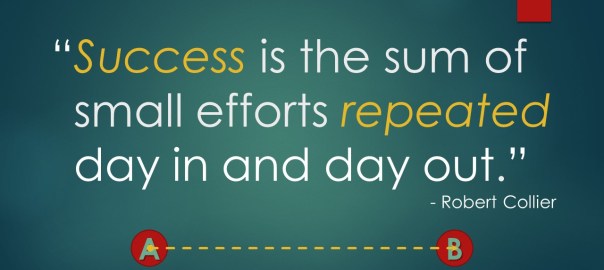
“Success is the sum of small efforts repeated day in and day out.”   –Robert Collier


The mission at Thin Blue Line of Leadership is to share positive leadership tactics with the field of law enforcement. Positive leadership starts by creating a positive squad culture.

Sergeants or first-line supervisors have direct influence on the officers assigned to them and the environment in which they work. The direction a squad takes culturally can be attributed to the leadership, or lack thereof, provided by the sergeant or first-line supervisor.

Culture is defined by the actions and attitudes of a particular group demonstrated over time. The culture of a squad will carry over into everything they do both within the department and out in the community.

Power, Passion, People, and Production

1. Power of Policing – Setting a clear vision and mission for a squad is crucial. The department provides a framework, but the TBL Leader defines it and gives it life. The ability to take a group of officers and show them exactly what winning looks like generates power. The more power the TBL Leader shares with the squad, the stronger the squad as a whole will become and the more impact they will have on the community. Without a barrel, a shotgun loses all effectiveness because the pellets have no direction. TBL Leaders provide the direction and thus the power.

2. Passion for Policing – Passion is infectious! If the TBL Leader consistently shares their passion for the job with their squad, then the squad will reciprocate by retaining or regaining their own passion. When an entire squad has a shared passion, then overlapping squads take notice and want to have that same feeling of success. Passion also develops a desire to be at work and a commitment to protecting the positive culture by always working at a high level. Work is always at its best when it does not feel like work. TBL Leaders will always attract great officers to their squads that buy into what they are selling. Passion for policing should be encouraged and never discouraged.

3. People are Policing – Victims, citizens, officers, and suspects – no matter the role, people are policing. Creating a positive squad culture directly impacts how officers respond to the people within the community they serve. TBL Leaders set the expectation that all people are to be treated with dignity and respect, even those under arrest. Then, they go out with their officers to regularly model, support, and reward this desired behavior. Officers are always watching how the TBL Leader handles a situation and learning from it. Demonstrate that treating people right can be one of the most effective officer safety tools in their toolbox.

4. Production in Policing – Law enforcement production has always been a double-edge sword. The person who just received a speeding citation may be the one calling 911 shortly thereafter when their home is being burglarized. This dual role as both enforcers and protectors creates a very fine line for officers to walk. With that being said, departments need a way to show they are getting what they pay for, but must be cautious about assigning quantitative-only measures. When people are reduced to being stats, there is the risk that integrity, fairness, and good judgment could go by the wayside in lieu of statistical production. To offset this, TBL Leaders must routinely reward quality production, as opposed to just sheer quantity. Rewarding quality production regularly will teach officers where the balance point lies and what winning looks like to the TBL Leader. This is an essential part of developing a positive squad culture.

By establishing a positive squad culture; power, passion, people, and production are all engaged positively. Will this require extra time, effort, and thought on the part of the TBL Leader? Absolutely, but the end result, the sum of those small efforts repeated day in and day out will be well worth it.

The next blog at Thin Blue Line of Leadership will provide real-world suggestions for creating a positive squad culture . . .

How have you seen leaders within your department create a positive squad culture?

Share your comments with us below or on our Facebook page. Continue saving the world one call at a time and as always, LEAD ON!

Defining the Thin Blue Line Leader

The mission at Thin Blue Line of Leadership is to share positive leadership tactics with the field of law enforcement. It is undeniable that law enforcement is a unique working environment and one in which the word positive is not always easily associated. Law enforcement is not just about laws and policies. It is about the community – victims, civilians, officers, and even criminals. So, bringing the word “positive” more frequently into law enforcement is a necessity because policing is about people. This belief must be a core value of any Thin Blue Line Leader before even getting into a deeper list of qualities.

Leadership comes in many different styles. When it comes to developing one’s own style of leadership, it is most common to emulate leaders that had a significant and direct influence on you either personally or professionally. These role-models of leadership won your heart and then were able to influence your mind, but only after being respected by you for who they are first.

Here are 10 qualities that define a Thin Blue Line Leader . . .

WINNING RESPECT  – Getting people to listen.

1. Competent – Being competent should be a given. Knowing basic and advanced officer techniques along with any specialty unit knowledge/skills you possess starts building your officers’ views of your competency. Do not assume that reputation alone will carry you. Accurately recognizing your own strengths and weaknesses will assist you in developing your competency across the board. A TBL Leader proves their competency from call to call and shift to shift.

2. Integrity and Honesty – Most people would say that integrity and honesty are the same thing, but let’s define it more specifically. Integrity is when your actions match your words. Honesty is when your words match your actions.  Law enforcement officers are constantly in situations and circumstances that test their integrity and honesty. A TBL Leader exemplifies this by holding themselves and their officers to a standard that is above reproach at all times.

3. Initiative – Do not stand still. Leaders with initiative constantly ask why something is the way it is, can it be improved, and what can I do to help. Just assuming that things are fine because “that’s how we’ve always done it” leads to stagnation and mediocrity. Regardless of the time and effort required, the TBL Leader is always looking for innovative ways to improve themselves, their officers, their department, and their community.

WINNING HEARTS – Getting people to believe.

4. Servant – This is not to be confused with subservient. A servant leader recognizes that as the leader they have taken on the responsibility of being selfless for the good of their officers. It is no longer just about your career, but lifting up your officers in their careers. TBL Leaders find ways to make their officers’ jobs easier by providing them with resources, training, and guidance.

5. Authentic – Be yourself. Arrogance and false bravado will build a wall between you and your officers that will make leading effectively much more difficult. Share your experience openly from both law enforcement and your personal life. Talking about things like your marriage, children, hobbies, or pets allow those you lead to gain insight into your belief structure. If you make a mistake, own up to it and set the example by seeking to improve. You are still human and no one, regardless of your rank, expects you to be perfect at all times. TBL Leaders recognize that when it comes to being authentic, you get what you give.

6. Supportive – Being supportive starts by opening your ears. As a leader, you have to listen, recognize, validate, and only then act. Clear communication with your officers will give you all the information you need to proceed with a course of action. Standing up for your officers, when in the right, is a must because TBL Leaders are the glue that holds a squad together.

7. Passionate – Passion should be encourage and never discouraged as long as it is appropriately directed. By setting a clear vision and mission for your squad, the leader creates focus and defines what winning looks like. Police officers like to win and the more they win, the more passion that is generated. TBL Leaders do not fear passion; they work tirelessly to create an environment that generates it.

8. Rewarding – Catching your officers doing something right should be an on-going goal of a leader. Too often, excessive amounts of time and energy are wasted searching for things that are done wrong and rewarding what gets done right gets overlooked. Obviously, serious malfunctions in officer safety or investigations need to be addressed, but there is always a way to address this so it does not destroy the officer’s morale or belief in the mission. TBL Leaders realize that rewarding officers positively reinforces and defines the behaviors that you, the leader, want to promote.

WINNING MINDS – Getting people to change.

9. Learner/Educator – Learner and educator go hand in hand. A leader must be a life-long learner. Personal experience will only hold out so long before you are just repeating yourself over and over. Taking the initiative to seek out new information and experiences will allow you to continue growing. Then, as the leader, you must be willing to share and teach what you have learned so the development of those you are responsible for can continue. No one is an expert in everything. Use your network of resources within the department to find experts in areas where you are weak. The TBL Leader recognizes the great value of learning, but realizes that it is most valuable only when is disseminated.

10. Translator – As a leader, being a good communicator is vital, but more important than communication is the ability to receive information and translate it into support for the vision and mission of your squad. As a first-line supervisor, you are the translation conduit for information coming from the upper staff and going to the officers on your squad. The way in which you present the information you are given will dictate your officers’ response to it. TBL Leaders recognize the power of translation and are clear and direct in their messages.

These 10 qualities define a Thin Blue Line Leader. Thin Blue Line of Leadership can be reached at tblleadership@gmail.com for any questions, comments, or suggestions. You can Like us on Facebook now, as well.

LEAD ON!

Law Enforcement Lingo 101

Image

This post is for readers that are not familiar with basic law enforcement lingo. Understanding the full meaning of Thin Blue Line of Leadership’s tweets and blog posts will deepen your comprehension of our mission to share positive law enforcement leadership tactics.  As new terminology comes up, I will update this post with additional terms and their meanings.

ACRONYMS

CFS – Call for Service

LE – Law Enforcement

LEO – Law Enforcement Organization

LT – Lieutenant

OFC – Officer

SGT –  Sergeant

TERMINOLOGY

BRIEFING – A daily meeting for a squad or group of officers prior to the beginning of a shift. (15 – 30 minutes in length)

CALL – When an officer is assigned a task to complete. Typically this starts as a call to 9-1-1 or a department’s non-emergency number.

CALL FOR SERVICE (CFS) – Same as a “call.”

CHAIN OF COMMAND – Law enforcement organizations are setup as paramilitary organizations and the chain of command is the line of authority and responsibility along which orders are passed. Law enforcement chain of command positions are different from the military and also vary between police departments, sheriff’s departments, and federal law enforcement agencies. In a police department, the chain of command is usually some form of the following: Chief of Police, Assistant Chief of Police, Commander, Lieutenant, Sergeant, and Officer. Depending on the size of the organization, there may be more or less positions in the chain.

OFFICER/DEPUTY/AGENT – These are all similar positions, just different terminology, and make up the backbone of any law enforcement organization. The only difference is the type of jurisdiction they serve – city, county, state, or federal. The jurisdiction dictates if an organization is a police department, sheriff’s department, or federal law enforcement agency. Thin Blue Line of Leadership will be using the term officer as a default, but the knowledge shared applies to all law enforcement agencies regardless of name.

OFFICER SAFETY – This is a term used to describe the actions necessary to keep an officer safe in any given situation and get them safely home to their family. It encompasses things like using a backup officer, wearing a vest, proper officer positioning, and many more. A huge part of being a law enforcement leader is keeping your officers safe by sharing up-to-date officer safety information and verifying that they are applying all officer safety techniques available to them.

PARAMILITARY – An organization whose structure, training, and function are similar to that of the military, but is not a part of the nation’s formal armed forces. Police departments, sheriff’s departments, and federal law enforcement agencies are set up as paramilitary organizations.

SQUAD – A group of approximately 6 to 10 officers assigned to work the same general area and shift. Each squad will have a sergeant or equivalent first-line-supervisor assigned to oversee their activities. It is common for multiple squads to overlap each other due to the need for 24-7 coverage and staffing at busier times of day/night.

THIN BLUE LINE – A common law enforcement symbol showing 2 black lines with a thinner blue line in-between. It has 3 common meanings: (1) Represents the line between life and death an officer walks each time they start a shift. (2) Represents the line that officers maintain between the good and bad to prevent chaos and disorder. (3) Represents fallen law enforcement officers that have died in the line of duty.

Thin Blue Line of Leadership can be reached at tblleadership@gmail.com for any questions, comments, or suggestions.

LEAD ON!